An HVAC quote in Owings Mills, MD should tell you more than a number on an index card. It needs to spell out equipment specs, labor, warranty terms, and the refrigerant rules that changed what contractors can legally install this year. Here's what actually shapes that price before a technician ever rings your doorbell.
What Shapes an HVAC Quote in Owings Mills
Every quote starts with the same basics: your home's square footage, your current system's age, and the symptoms you're dealing with. From there, a few variables swing the price more than homeowners expect.
- Unit size and efficiency rating. A system sized wrong for your home either short-cycles or runs constantly, so correct tonnage matters as much as the SEER2 number on the spec sheet.
- Ductwork condition. Leaky or undersized ducts can waste a meaningful share of your system's output before the air ever reaches a vent, which is why some quotes include duct sealing or modification.
- Permit and inspection fees. Baltimore County requires permits for most system replacements, and that cost is separate from equipment and labor.
- Refrigerant type. New installations now use low-GWP refrigerants instead of the R-410A used in older systems, which affects equipment cost (more on this below).
Here's roughly where 2026 installed pricing lands nationally, based on current industry cost guides. Your Owings Mills quote may land above or below these ranges depending on home size, ductwork, and system brand.
| System Type | Typical 2026 Installed Cost Range |
|---|---|
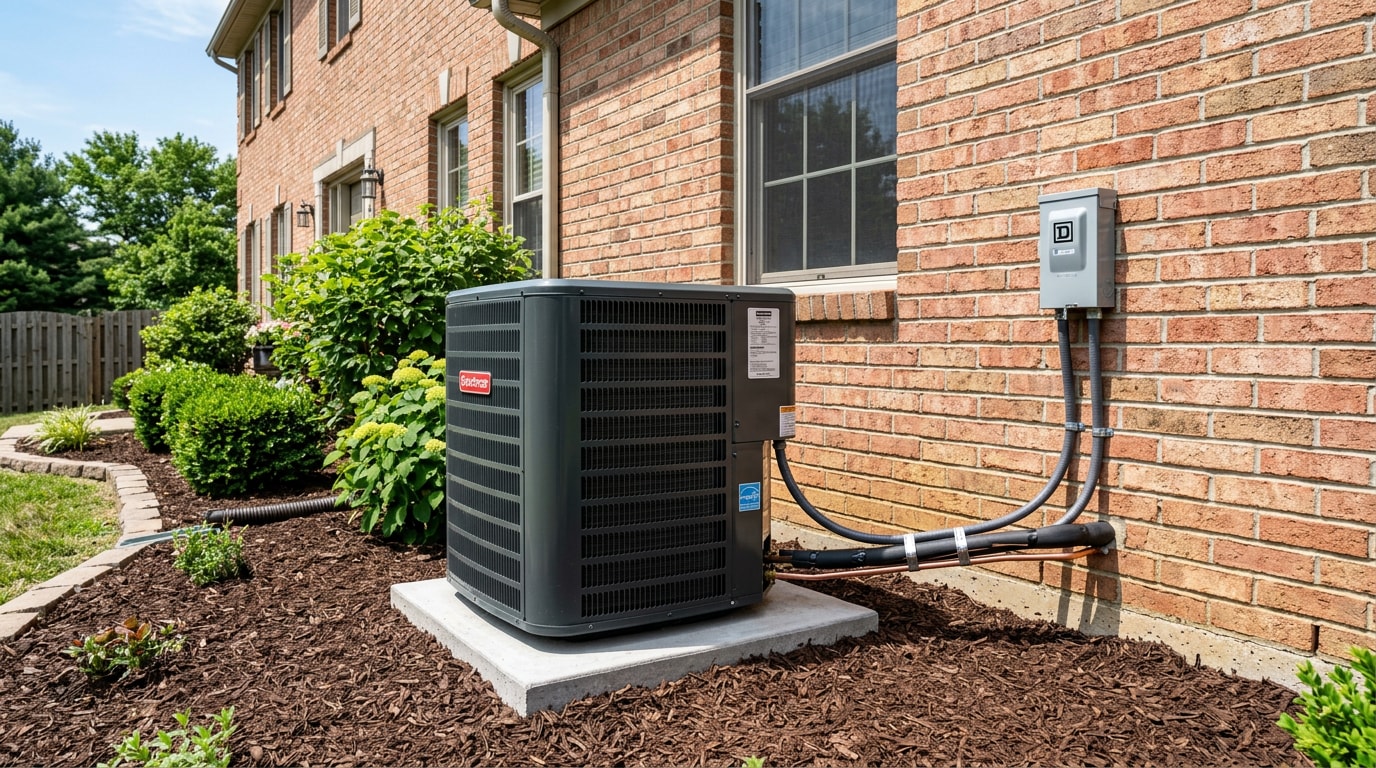
| Central AC replacement (existing ductwork) | $3,500 – $9,500 |
| Full HVAC system (furnace + AC) | $3,750 – $12,000 |
| Heat pump system | $7,750 – $16,000 |
| Gas furnace replacement | $1,500 – $3,000 |
| Ductless mini-split (single zone) | $1,500 – $4,000 |
A written quote should break these numbers into equipment, labor, permit fees, and warranty terms, not hand you a single lump sum.
Local HVAC Services Covered by a Quote
Most requests fall into a short list of categories. Knowing which one applies to your situation helps you ask sharper questions when a technician shows up.
- Air conditioning repair for cooling systems that are underperforming or down entirely
- Furnace repair for heating issues, short-cycling, or no-heat calls
- Heat pump repair for dual-function systems losing efficiency
- HVAC equipment installation for new construction or first-time system additions
- HVAC equipment replacement for aging systems nearing the end of their service life
You can browse the full list under our HVAC contractor services page before scheduling a visit.
2026 Refrigerant Rules Now Factor Into Every New-System Quote
This is the part most local directory listings and quote forms skip, and it's worth knowing before you compare numbers.
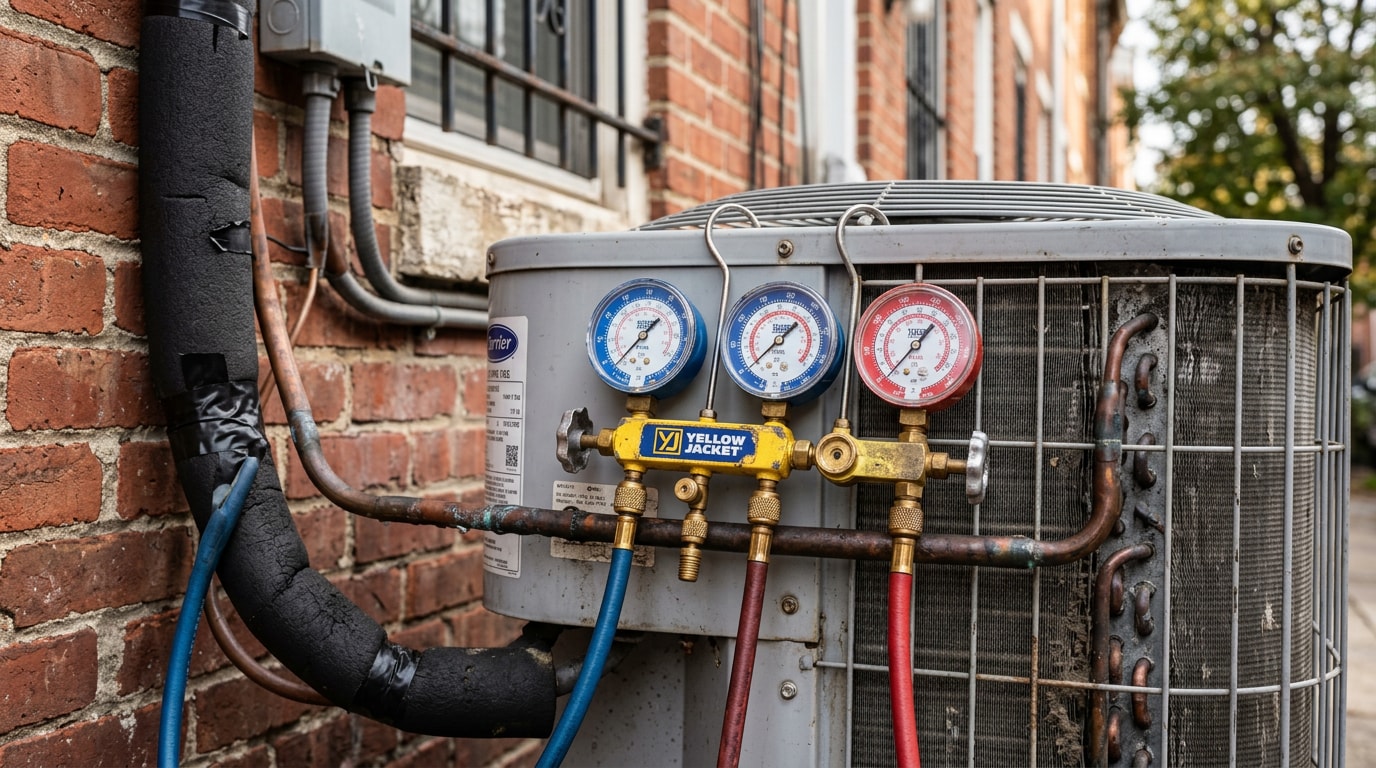
Since January 1, 2025, manufacturers have not been allowed to produce new residential air conditioners or heat pumps using R-410A refrigerant. New systems now ship with low-GWP alternatives like R-454B or R-32 instead. The EPA has confirmed that existing R-410A systems remain fully legal to use, service, and recharge for the rest of their working life, so there's no rush to replace a system that's running fine.
What did change in 2026: the EPA issued a final rule in May removing the hard installation deadline for leftover pre-2025 R-410A equipment, giving contractors more flexibility on stranded inventory. If your quote includes a brand-new system, it will use one of the newer A2L refrigerants, which can carry a modest equipment premium and may require technicians to use updated handling tools. You can read the EPA's own guidance on what's changed on its hydrofluorocarbon phasedown FAQ page.
This is also why a quote for the same system can vary between dealers right now. Some are still working through older-refrigerant inventory, others are already quoting exclusively on new A2L equipment.
What Dealer Certifications Mean When Comparing Quotes
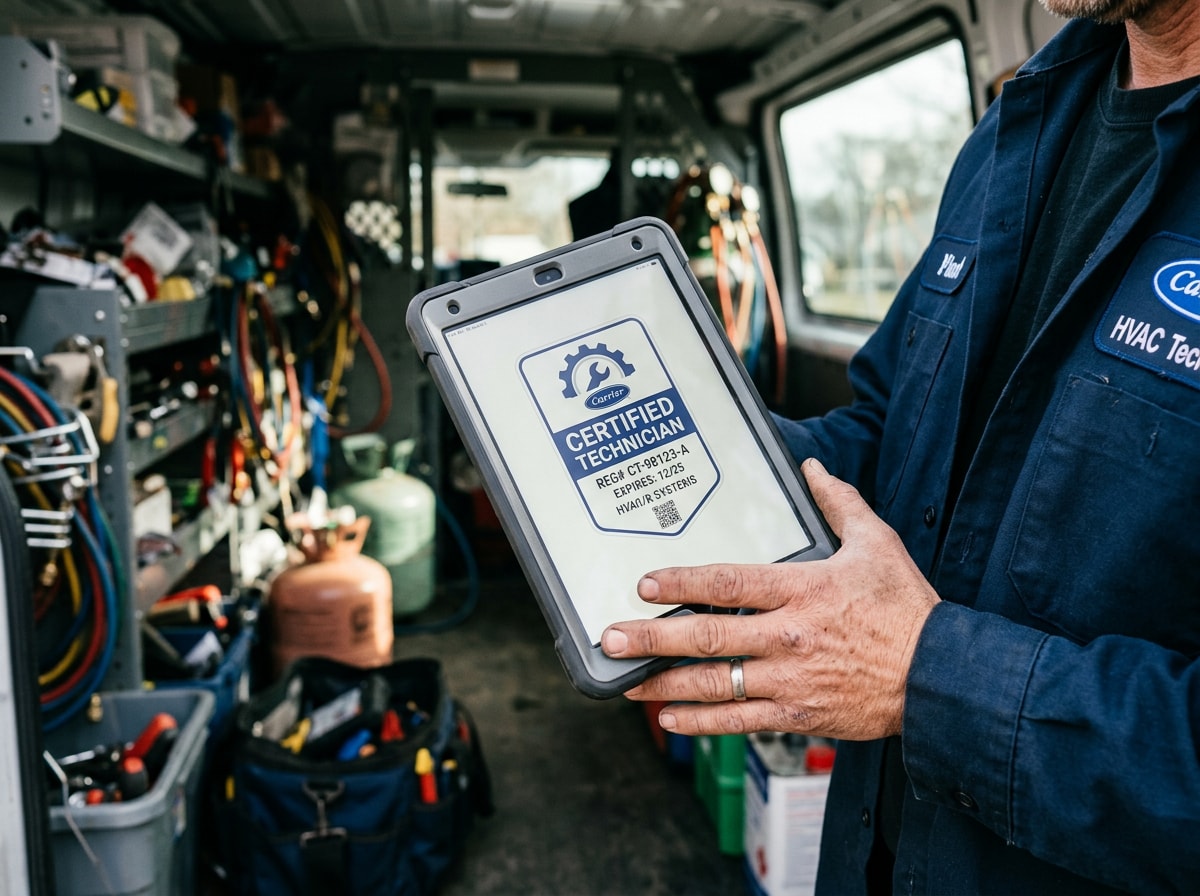
Manufacturer and industry certifications are a fast way to screen who you're asking for a number. Three show up most often on local dealer profiles.
NATE Certified
A NATE-certified technician has passed exams built around real-world HVAC skills, not just classroom theory. North American Technician Excellence, the organization behind the credential, notes that contractors prefer NATE-certified technicians because they remain in the industry longer and have the proven knowledge to do the job right the first time. It's a reasonable baseline to check before you book a quote.
Customer Care Dealer
This designation flags dealers who meet a manufacturer's standards for responsiveness and service quality. It's shorthand, not a guarantee, but it narrows the field.
American Standard Diagnostics
This tag means the dealer uses approved diagnostic tools for faster, more accurate troubleshooting during the visit, which usually translates into a more precise quote instead of a rough guess.
How to Prepare for a Dealer Visit
A little prep work makes the quote more accurate and the visit shorter. Before the technician arrives:
- Note your system's age, brand, and model number.
- List the symptoms you're seeing, such as noise, weak airflow, or uneven temperatures room to room.
- Clear physical access to both the indoor unit and the outdoor condenser.
- Pull any past service or maintenance records you still have.
- Ask about financing, warranty length, and which SEER2 tier the proposed equipment meets.
The Department of Energy's home energy guidance covers how duct sealing and insulation affect heating and cooling costs, which is worth a quick read before the visit so you know which upgrade questions are worth asking. ENERGY STAR's product criteria are also a useful reference for comparing efficiency claims between dealers.
Getting two or three quotes side by side is still the simplest way to spot pricing outliers, whether the number looks too high or suspiciously low.
Why Homeowners Choose a Licensed Local HVAC Company
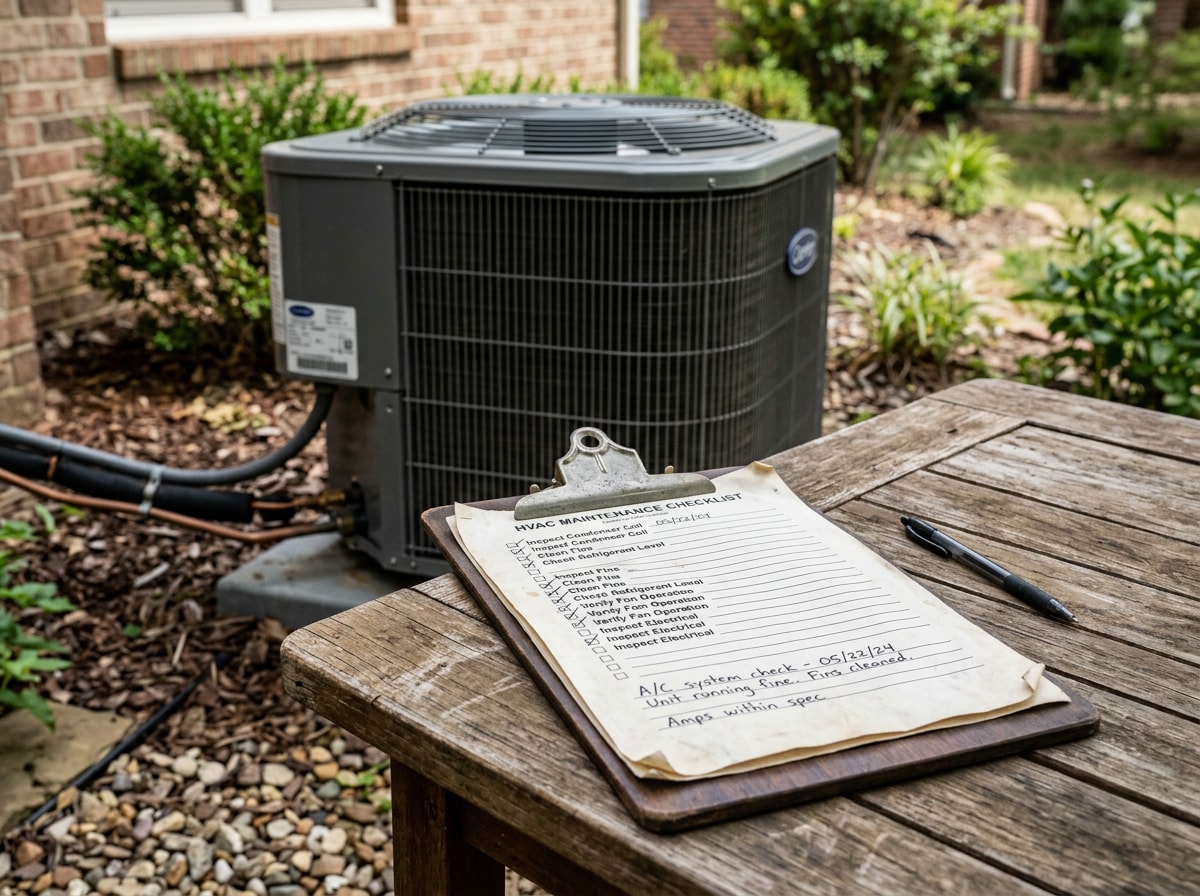
A quote is only as good as the company standing behind it. Look for proper licensing and insurance, documented local experience, and a workmanship guarantee that's actually written into the paperwork, not just promised verbally.
Our technicians at Best Mechanical have spent years running AC recharges, furnace swaps, and full system replacements across Owings Mills and the surrounding Baltimore County towns, which means we've walked through the exact ductwork quirks and permit requirements that affect local quotes. We also serve nearby communities including Pikesville, Timonium, and Cockeysville, so our estimators already know what older Baltimore County housing stock tends to need.
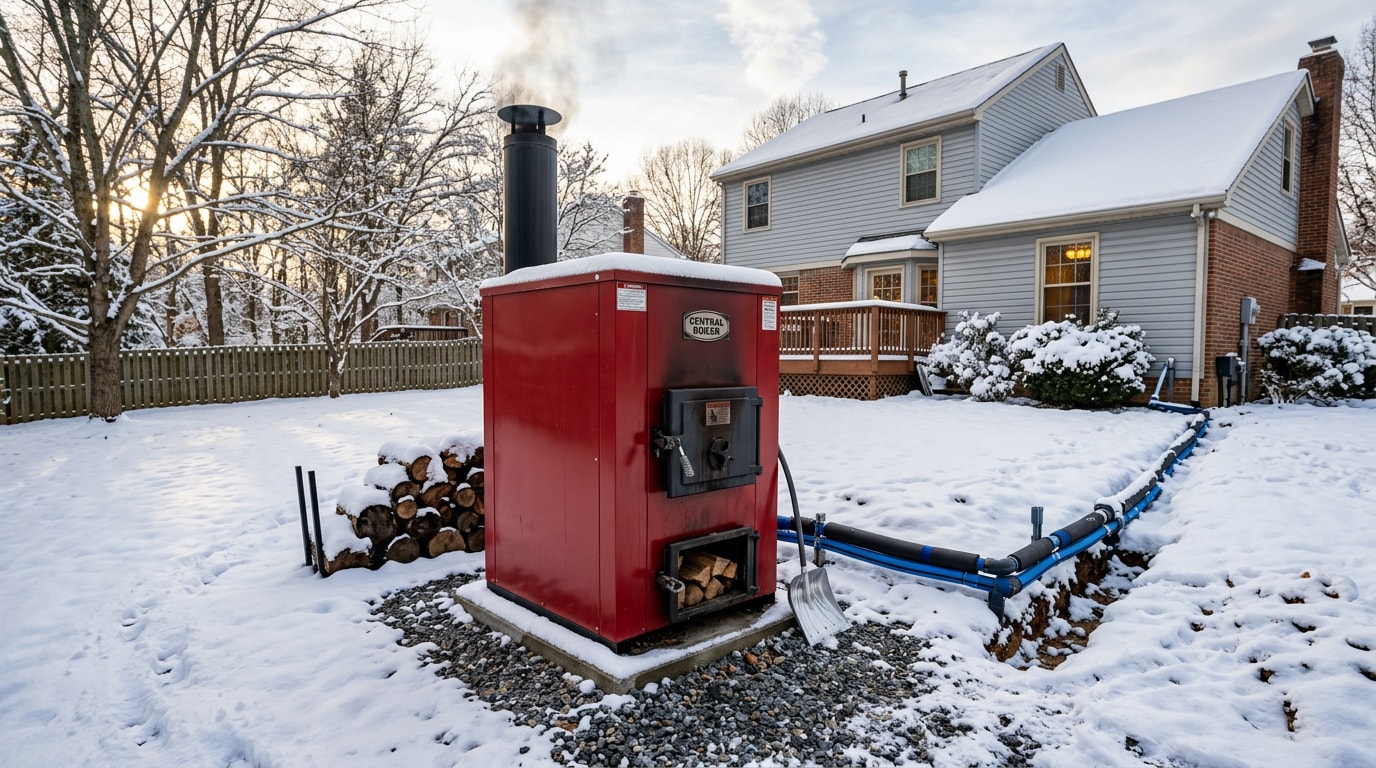
If your heating system is next on the list, our Central Boiler Prices in Owings Mills, MD guide breaks down 2026 boiler pricing the same way this page breaks down HVAC. For ongoing system care after installation, our HVAC maintenance plans help new equipment hit its full warranty life.
Get Your Free HVAC Quote in Owings Mills
Request numbers from two or three licensed local dealers, compare certifications and pricing structure line by line, and book the visit with the company that answers your questions clearly instead of rushing you to sign. When you're ready, get a free estimate from our team and we'll walk your home the same way we'd walk our own.
FAQ
Is an HVAC quote free in Owings Mills, MD?
Most reputable local HVAC companies, including ours, provide free in-home estimates for repair and replacement work. Be cautious of any company charging a fee just to show up and give you a number.
How long does an HVAC quote visit take?
A straightforward repair or replacement estimate usually takes 30 to 60 minutes. Full system replacement quotes that involve a load calculation or ductwork inspection can run closer to 90 minutes.
What is the $5000 rule for HVAC?
It's a rough guideline: multiply the system's age by the repair cost, and if that number tops $5,000, replacement usually makes more financial sense than another repair.
What are the top 3 AC brands?
Carrier, Trane, and Lennox are frequently cited as top air conditioner brands, though brand is only one factor in comparing a quote against equipment specs and installer reputation.
What's the difference between SEER and SEER2?
SEER2 measures cooling efficiency under updated test conditions that better reflect real ductwork resistance than the older SEER rating. All new residential AC and heat pump equipment sold since 2023 is rated in SEER2, so quotes referencing older SEER numbers are comparing against outdated equipment.
Will HVAC prices go down in 2026?
Pricing trends remain mixed. Refrigerant transition costs and material prices are pushing equipment costs up, while competition among local dealers and eased installation deadlines for older inventory can offset some of that increase.
What is HVAC in the USA?
HVAC stands for heating, ventilation, and air conditioning, the combined systems that control indoor temperature, airflow, and humidity in a home or building.