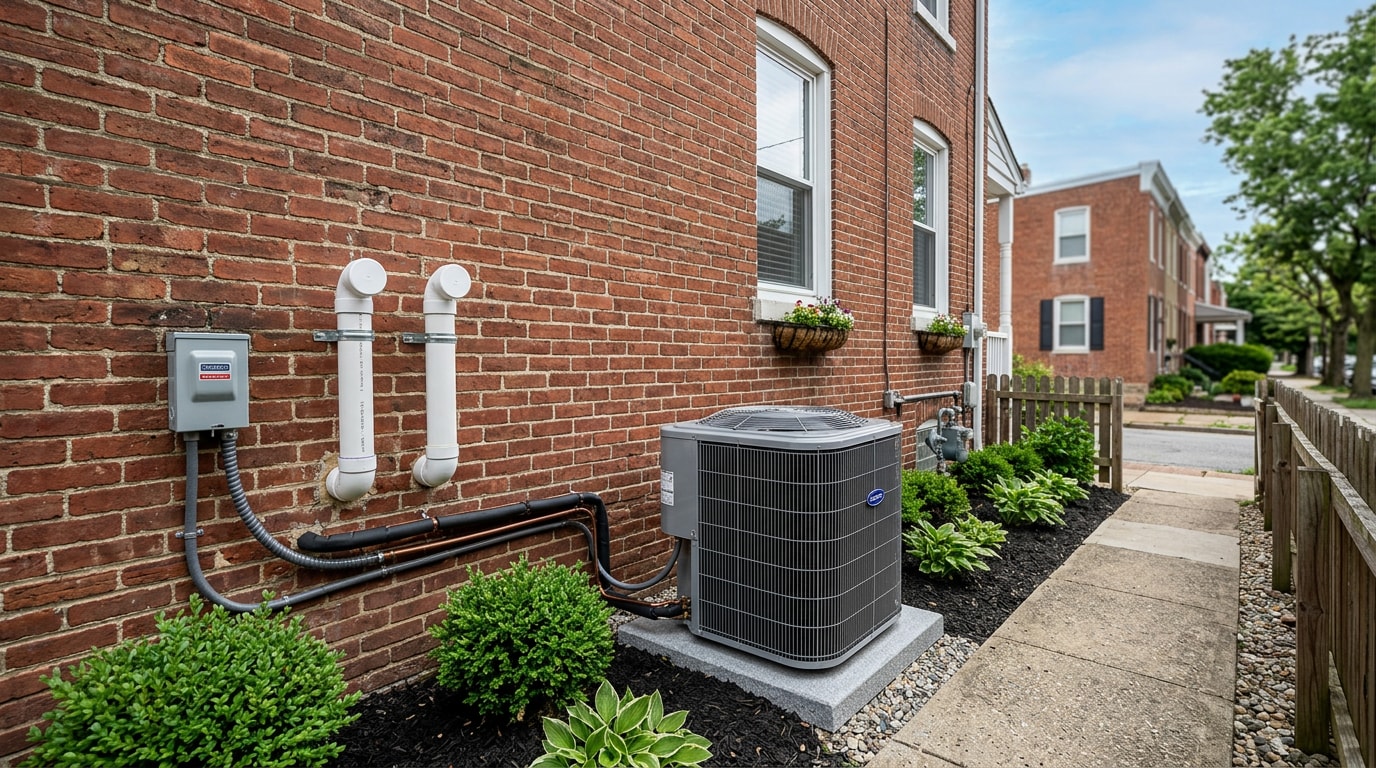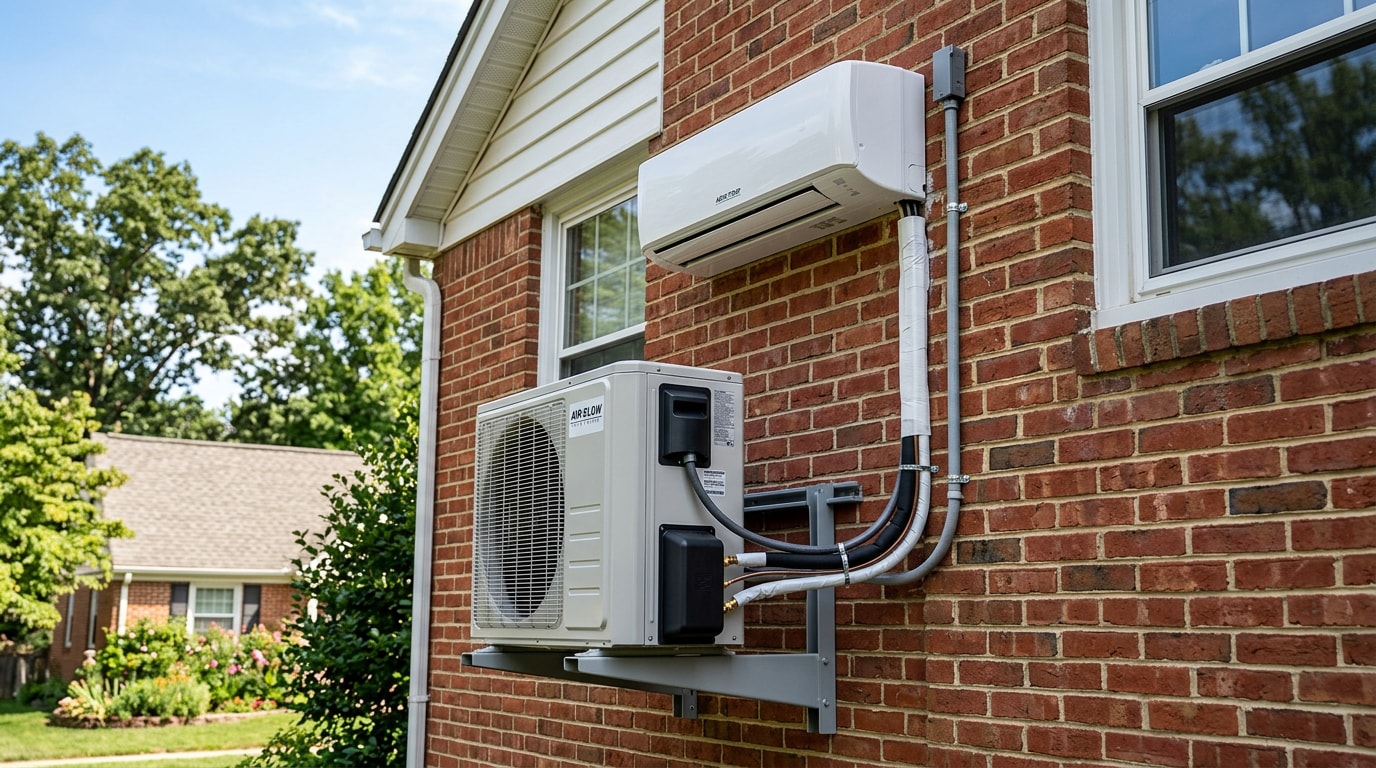
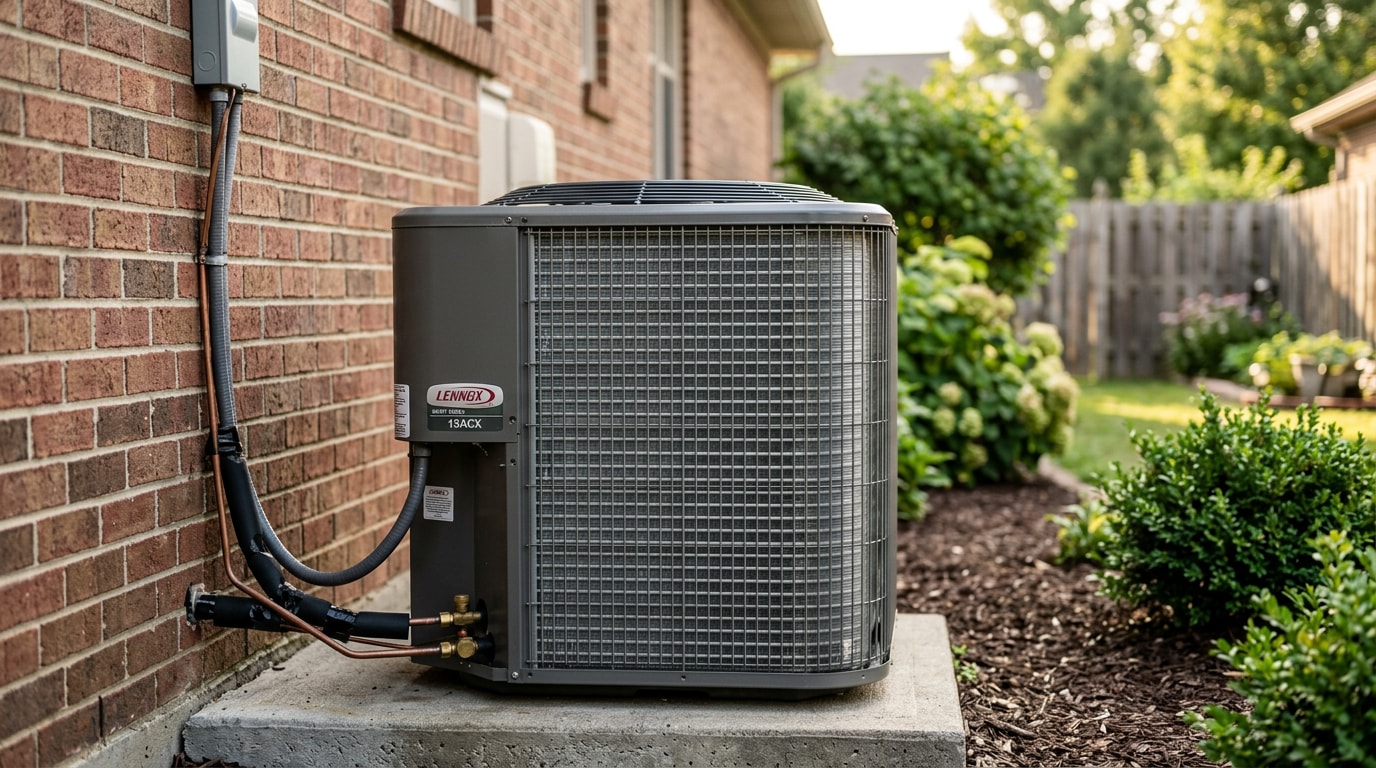
AC condenser vs compressor confusion sends plenty of Parkville homeowners into unnecessary repair bills every cooling season. Both parts live in the same outdoor cabinet and depend on each other completely, which is exactly why a failing one often gets blamed on the other. This guide breaks down what each part actually does, how to spot which one is struggling, and why a proper diagnosis matters before you authorize any repair.
What Does the AC Compressor Do?
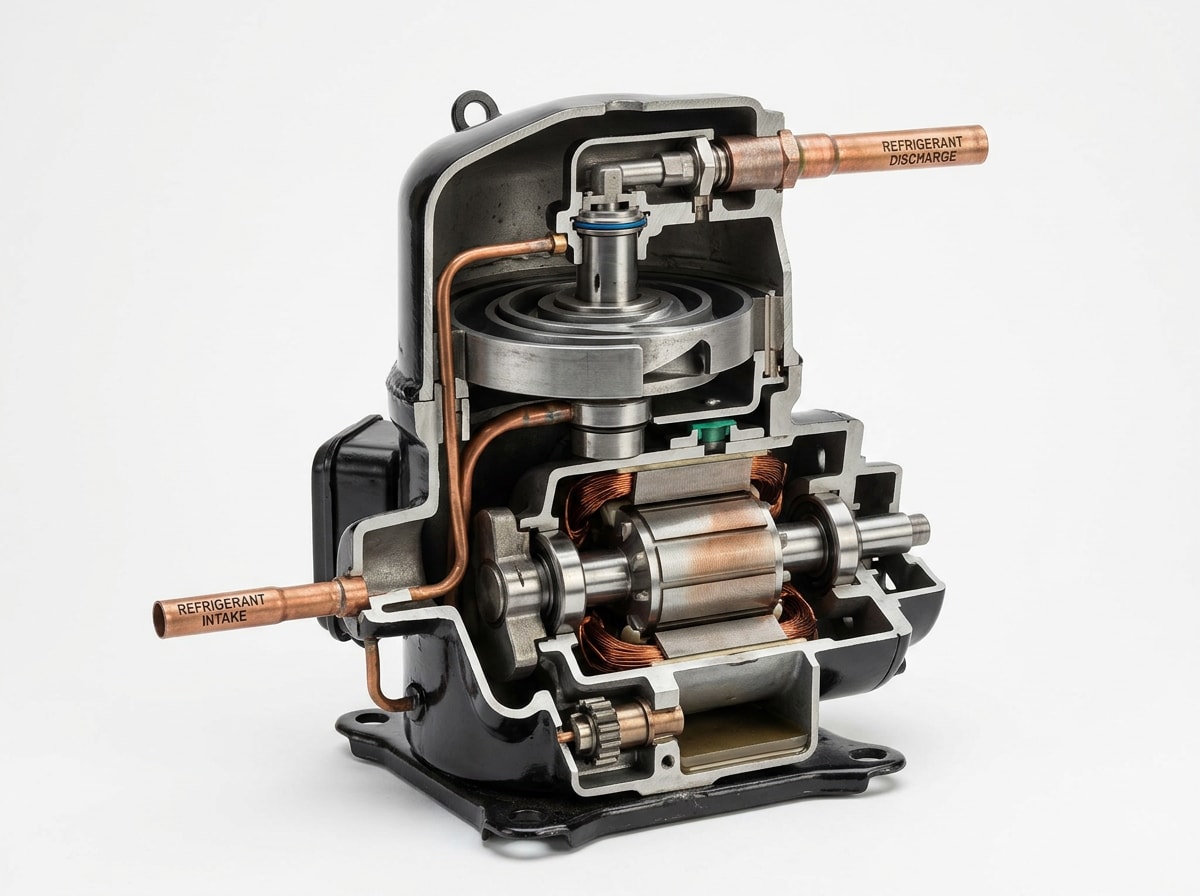
The compressor pressurizes refrigerant gas, raising its temperature so heat can later be released outdoors. It functions as the system's pump, and how well it moves refrigerant largely determines how much cooling capacity your air conditioner can deliver at any given moment.
Most residential systems use one of three compressor designs:
- Reciprocating compressors – rely on pistons to compress refrigerant
- Rotary compressors – valued for compact size and efficiency
- Scroll compressors – now the most common residential choice because of quieter operation and a strong reliability record
Each type performs the same core job, pressurizing refrigerant gas, just through a different mechanical approach.
What Does the AC Condenser Do?
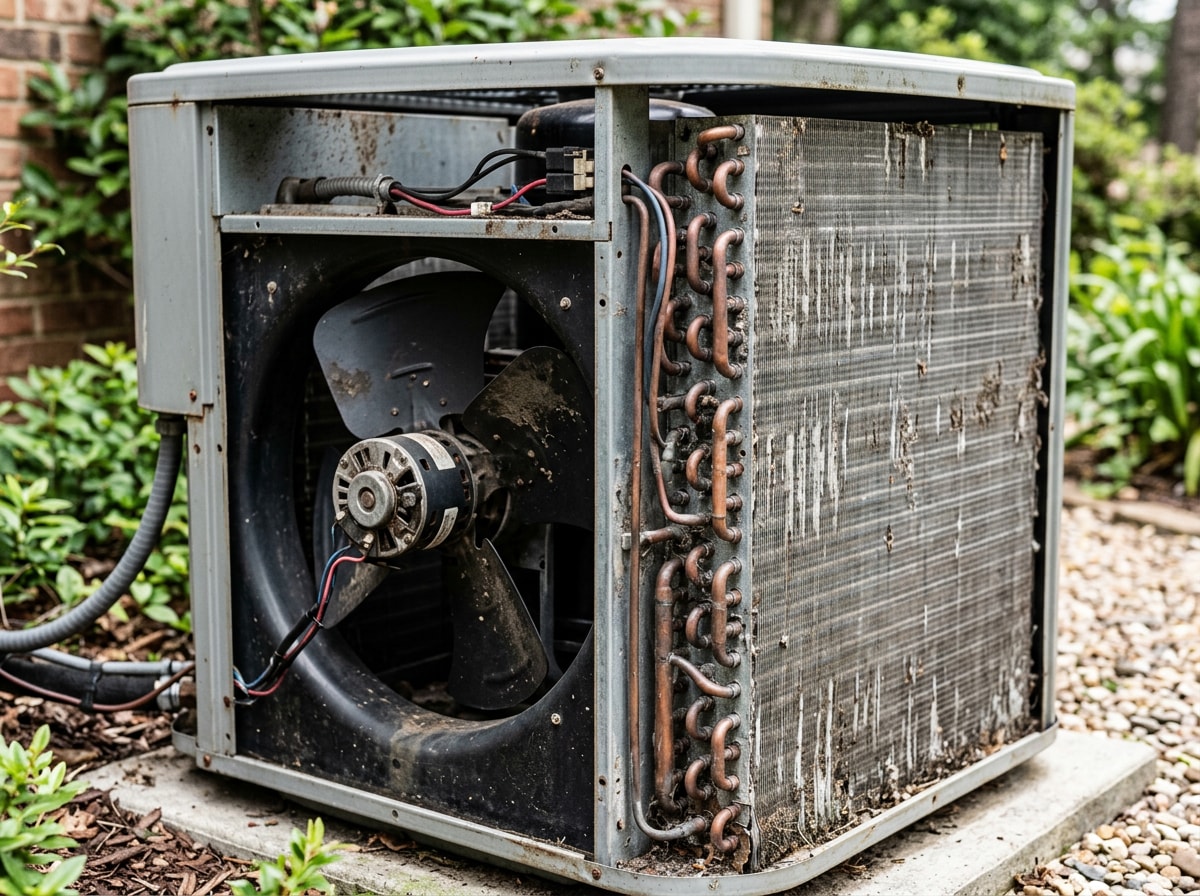
The condenser releases the heat the compressor just concentrated. Once pressurized refrigerant gas reaches the condenser, it passes through coils where heat exchange happens, transferring warmth from inside your home to the outdoor air before the refrigerant cools and turns back into liquid.
Two basic condenser designs exist:
- Air-cooled condensers – finned coils paired with a fan that pushes outdoor air across the surface; this is what almost every home system uses
- Water-cooled condensers – found mostly in larger commercial buildings
Either way, the condenser has to sit outdoors, since it needs constant airflow to dump heat rather than trap it.
AC Compressor vs Condenser: Side-by-Side Comparison
Once you understand what each part does individually, the differences are easy to spot.
| Factor | Compressor | Condenser |
|---|---|---|
| Primary Function | Pressurizes refrigerant gas | Releases heat and condenses gas into liquid |
| Location | Inside the outdoor unit cabinet | Wraps around the compressor, exposed to airflow |
| Role in Refrigerant Cycle | Pressure increase | Heat exchange |
| Design | Sealed mechanical pump (scroll, rotary, or reciprocating) | Finned coil paired with a fan |
| Refrigerant State | Enters as low-pressure gas, exits as high-pressure gas | Enters as hot gas, exits as cooled liquid |
These differences matter even more now that refrigerant rules are shifting. Many Parkville-area systems still run on R-410A, and the American Innovation and Manufacturing Act of 2020 directed the EPA to phase down the production and consumption of certain hydrofluorocarbons, including R-410A . That said, homeowners don't need to panic about an existing system. If your HVAC system still uses R-22 or R-410A, you don't need to replace or stop using it right away, since the EPA's phase-out plan stretches into the next decade. You can read more on the Trane refrigerant guide if you want the full phase-down timeline before your next compressor or condenser repair.
How the Compressor and Condenser Work Together
Neither part can cool your home alone. The compressor pressurizes refrigerant and pushes it toward the condenser, where heat releases into outdoor air. The now-cooled liquid refrigerant then travels to the indoor evaporator coil to absorb heat from your living space, and the cycle starts over. If either part struggles, the whole loop slows down, which is exactly why a weak compressor sometimes gets blamed on a bad condenser, and the other way around.
What Parkville's Climate Does to These Parts
Baltimore County summers put both components under stress, but in different ways. Heavy pollen in spring and dense humidity in July and August coat outdoor condenser coils faster than in drier climates, which forces the compressor to run longer and hotter just to keep up. Our technicians see this pattern constantly across Parkville and nearby neighborhoods: a homeowner replaces a capacitor expecting it to fix a "bad compressor," when the real issue was a condenser coil so caked with debris that the whole system was overheating itself. Clearing that distinction before any part gets replaced is the single biggest money-saver in this repair category.
Signs Your AC Compressor or Condenser Is Failing
Symptoms overlap often enough that homeowners guess wrong more than you'd expect. Splitting the warning signs by component gives you a better starting point before calling for service.
Condenser malfunction indicators:
- Weak cooling even though the system runs constantly
- Bent or corroded coil fins
- Unusual rattling from the outdoor unit
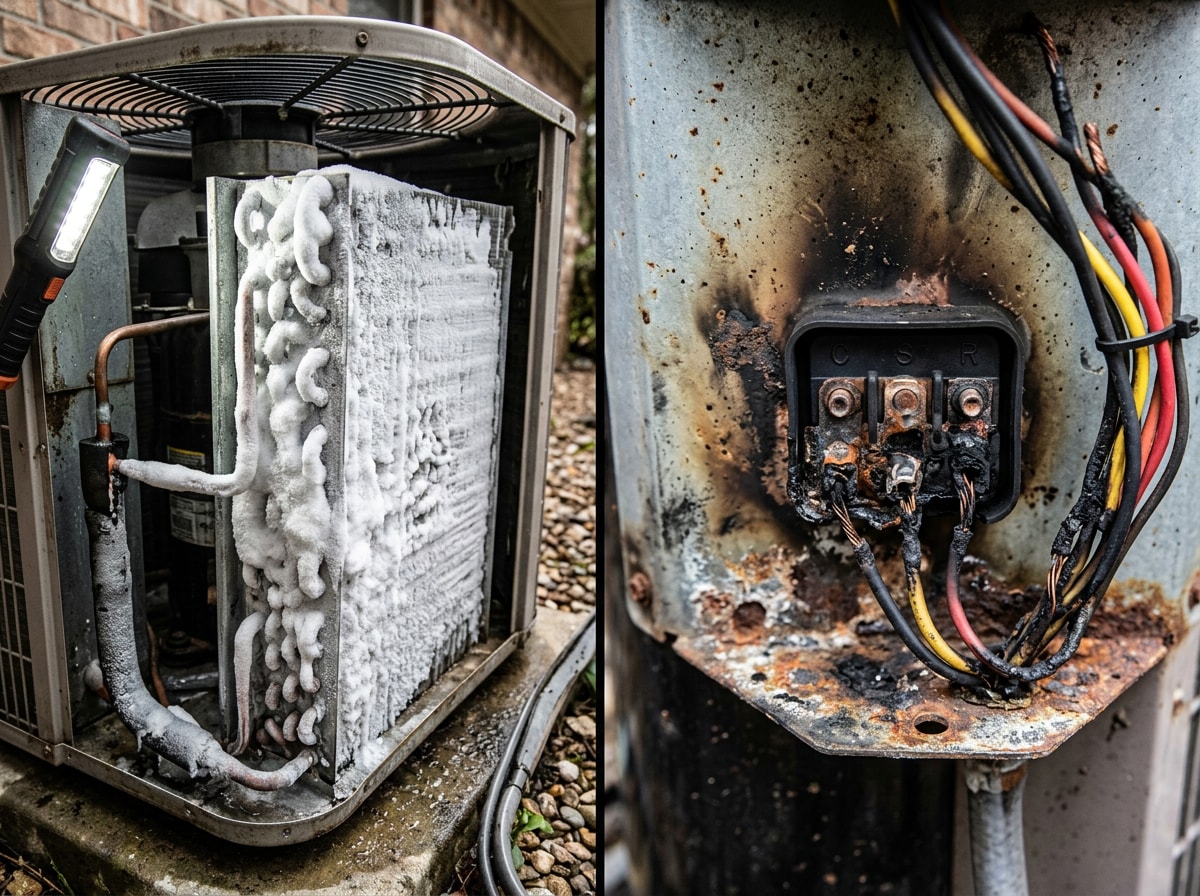
- Ice forming on the coil
- A hissing sound suggesting a refrigerant leak
Condenser problems tend to develop gradually, so cooling performance usually declines over days or weeks rather than failing all at once.
Compressor warning signs:
- Loud clicking, grinding, or humming when the system tries to start
- A breaker that trips repeatedly
- The outdoor unit runs but the air inside stays warm
- The unit won't start at all
A failing compressor tends to announce itself more abruptly than a failing condenser does. If you're noticing any of these, our air conditioning repair) team can isolate which part is actually at fault.
How Regular Maintenance Prevents Both Types of Failure
Routine maintenance catches small problems before they turn into full compressor or condenser replacements. Keeping the outdoor coil free of grass clippings, leaves, and debris helps the condenser release heat efficiently, which reduces strain on the compressor. Keeping your cooling and heating system at peak performance means having a contractor do annual pre-season check-ups , according to Energy Star's own maintenance checklist. Scheduling annual refrigerant level checks and electrical inspections also helps prevent compressor failure caused by low refrigerant or voltage issues. If your system hasn't been checked this year, a seasonal HVAC maintenance visit is worth scheduling before peak summer demand arrives.
Don't Guess, Know: Trust a Diagnosis Over a Quick Fix
Because compressor and condenser symptoms overlap so often, diagnosing the actual culprit is genuinely difficult, even for handy homeowners. A technician with pressure gauges and electrical testing equipment can confirm which part failed instead of guessing based on symptoms alone. That distinction matters financially, since replacing the wrong component means paying twice. If your system in Parkville is cooling poorly or making unusual noises, get a free estimate before committing to a repair, and if the diagnosis points to a worn-out unit instead of a single part, ask about HVAC equipment replacement options and costs. For a general sense of what local labor runs, our HVAC hourly rate guide for Parkville, MD breaks down typical pricing.
The team at Best Mechanical has handled this exact mix-up for homeowners across Baltimore County for years, and the fix is almost always the same: test before you replace.
FAQ
Is an HVAC condenser and compressor the same thing?
No. The compressor and condenser are two separate components that work together inside the same outdoor unit. The compressor pressurizes refrigerant gas, while the condenser releases the heat from that pressurized gas. One can fail while the other keeps working, which is why technicians test them separately.
Can a bad condenser damage the compressor?
Yes. A dirty or failing condenser can't release heat properly, which forces the compressor to run hotter and longer than it should. Over time, that extra strain can burn out the compressor, turning a cheap coil cleaning into an expensive compressor replacement.
Can we repair an AC condenser?
Sometimes. Minor condenser coil leaks or bent fins can often be repaired, especially on newer systems. Extensive corrosion, major refrigerant leaks, or significant coil damage usually make replacement more cost-effective than repeated repairs, particularly on units older than 10 to 12 years.
Why are AC compressors so expensive?
Compressors cost more because they're complex sealed mechanical components, and replacing one requires proper refrigerant recovery and handling. Certification is required for anybody who, in the course of maintenance, service, or repair of an appliance, could be reasonably expected to violate the integrity of the refrigerant circuit and release refrigerants into the environment , per EPA rules. That requirement adds labor and compliance costs on top of the part itself.
How do I know if it's the compressor or the condenser?
Watch the pattern. Gradual cooling decline, ice on the coil, or visible fin damage usually point to the condenser. Sudden grinding or clicking noises, a tripping breaker, or an outdoor unit that won't start at all usually point to the compressor. A technician with gauges can confirm it in minutes instead of guessing.
How much does a condenser or compressor replacement cost?
Repair costs typically range from a few hundred dollars for minor fixes to well over a thousand for compressor replacement, depending on system size and refrigerant type. Full unit replacement costs more. Pricing varies by local labor rates, so it's worth requesting a quote for accurate Parkville-area numbers.