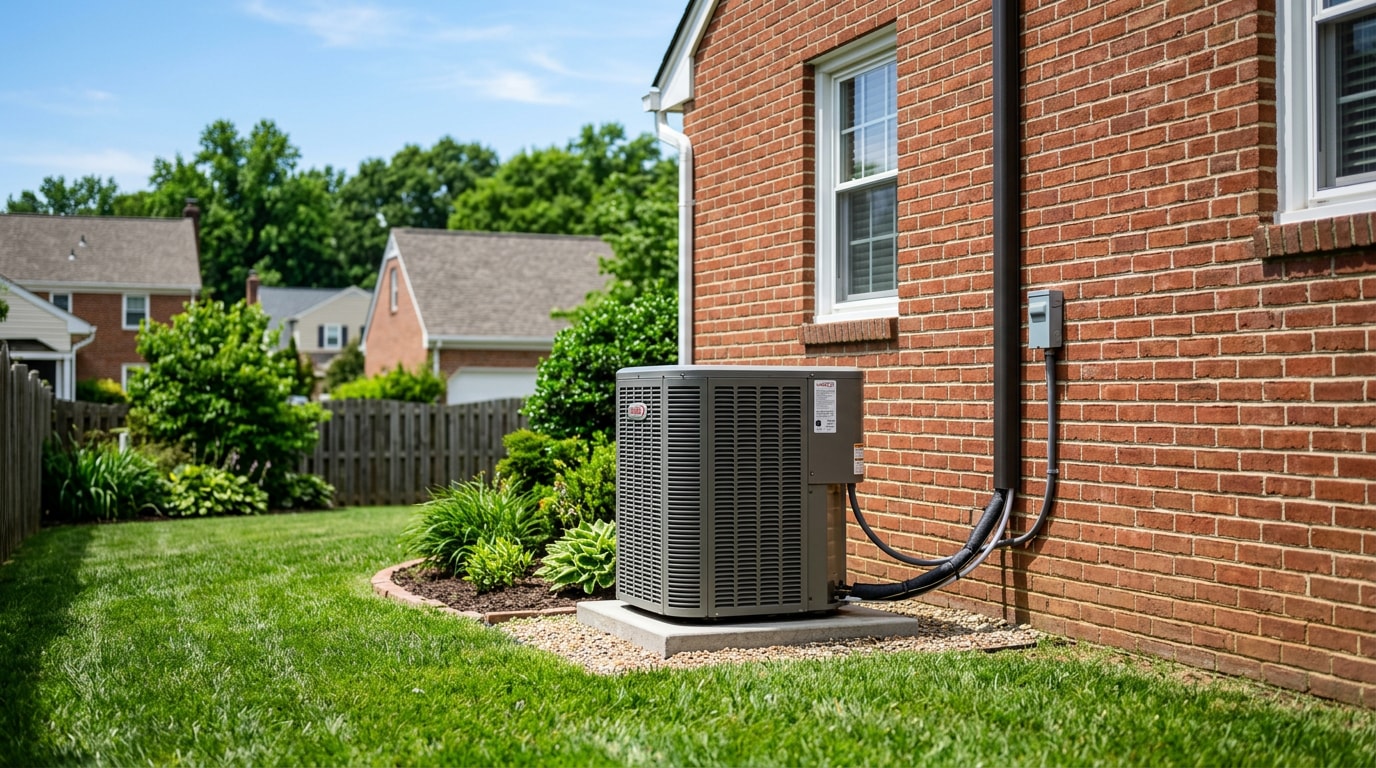
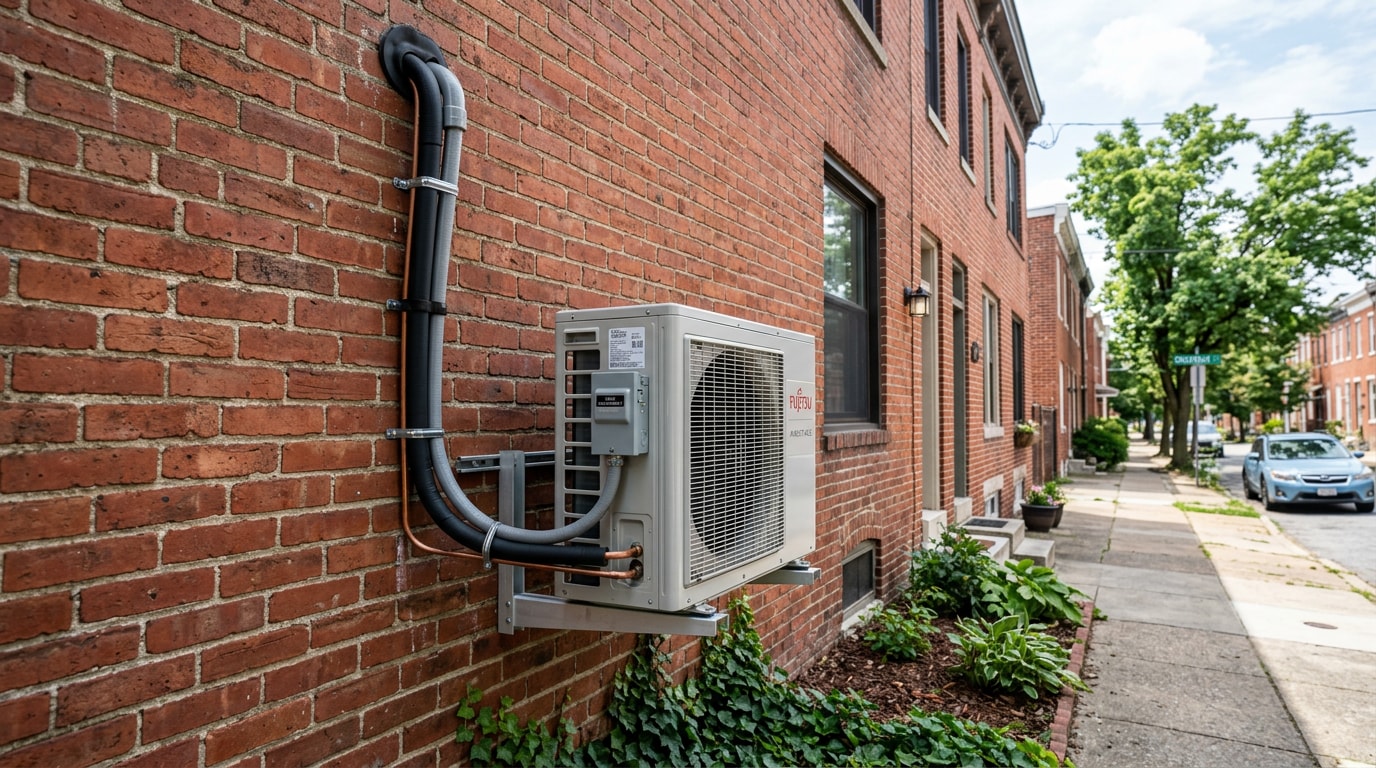
An ac mini split Dundalk, MD installation cools individual rooms without ductwork, using one outdoor compressor tied to one or more indoor air handlers. It's become the go-to fix for Sparrows Point rowhomes with no duct chases and newer Patapsco-area builds that need extra zones. Here's what a real installation costs in 2026, how it works, and the local details that trip up installers who don't know Dundalk's housing stock.
How Much Does an AC Mini Split Cost in Dundalk, MD?
Pricing depends on zone count, BTU size, and how much electrical work your home needs before installation. Here's the typical range we see on Dundalk jobs in 2026:
| System Type | Typical Installed Cost | Best For |
|---|---|---|
| Single-zone (one room) | $3,000 – $6,000 | Additions, sunrooms, finished attics |
| Dual-zone | $5,500 – $9,500 | Two problem rooms on one condenser |
| Multi-zone (3–4 rooms) | $7,000 – $13,000 | Whole-floor or whole-home coverage |
| Electrical panel upgrade (if needed) | $500 – $2,000 add-on | Pre-1970 rowhomes on 60–100 amp service |
A detail a lot of Dundalk quotes leave out: the federal 25C tax credit for heat pumps and mini splits expired for equipment placed in service after December 31, 2025, so it's no longer part of the math this year. Maryland's own incentives are still active, though. The EmPOWER Maryland program, run through the state's major utilities, continues to offer rebates and electrification funding for qualifying heat pump equipment, including ductless systems, so it's worth checking current eligibility before you sign a contract.
If you're also comparing labor rates across the county, our breakdown on HVAC hourly rates in Parkville, MD explains how technician time factors into a mini split quote.
Why Dundalk Homeowners Choose Ductless Mini Splits
Mini splits solve problems that window units and central air can't:
- Vs. window units: No security gap in the window frame, quieter operation, and no unit to pull out every fall.
- Vs. central air: No ductwork to cut into plaster or brick, and each room gets its own thermostat instead of one zone for the whole house.
- Install speed: A single-zone system is typically mounted, wired, and charged in about a day, versus a multi-day ductwork retrofit for central air.
These efficiency gains aren't just marketing. According to ENERGY STAR, certified mini split heat pumps use significantly less energy than standard electric resistance heating because they move heat rather than generate it, and they skip the duct losses that come with a forced-air system.
Mini Split Installation Options for Dundalk Homes
Wall-Mount Single-Zone Systems
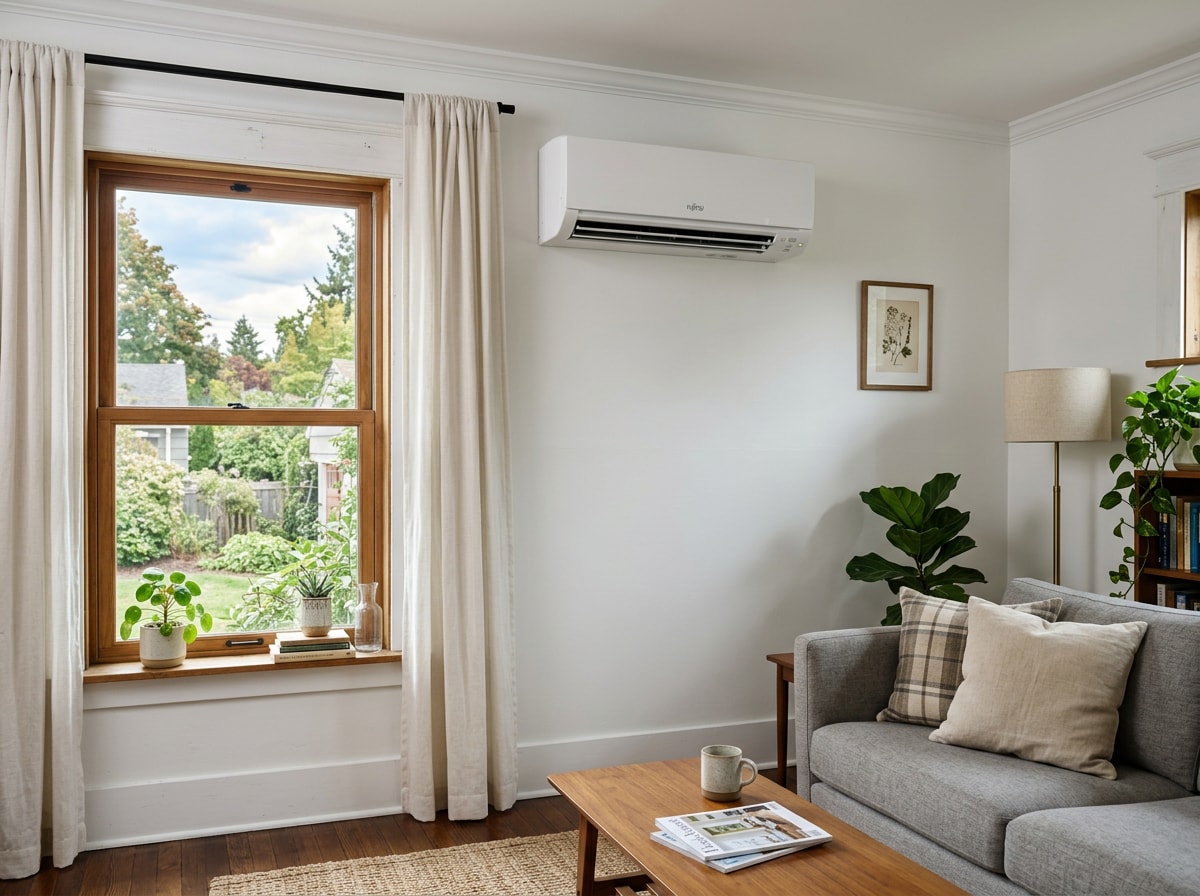
A single-zone mini split pairs one outdoor condenser with one indoor head, connected by refrigerant line set and electrical wiring. It's the right call when one room, like a converted attic, garage office, or sunroom, never gets enough cool air from the main system. Wall-mount heads install almost anywhere there's an exterior wall nearby, which is why they're a popular supplement rather than a full system replacement.
Concealed Duct / Ducted Mini Splits
Dundalk's older rowhomes often have narrow soffits and shallow joist bays, where a slim ducted air handler fits better than a visible wall unit. This configuration still runs on a mini split's outdoor compressor and inverter technology, so it qualifies for the same heat pump repair and maintenance plans as a standard system, but delivers air through short, concealed duct runs instead of a visible head. Skipping proper static pressure testing during design is the most common reason these systems end up noisy or prone to condensation later.
Local Considerations: Rowhomes, Humidity, and Electrical Panels
Dundalk's housing stock isn't uniform, and that changes how a mini split gets sized and installed.
Near the Patapsco waterfront, humidity loads run higher most of the year, which affects latent cooling capacity on top of straight BTU sizing. In our estimates across Sparrows Point-era brick rowhomes built before 1970, we routinely find 60- or 100-amp electrical panels that need evaluation before any new HVAC equipment goes in. Upgrading to 150 or 200 amps adds cost and a day of electrical work, but skipping that step is how installs end up tripping breakers the first summer.
If you're unsure what your panel can handle, our HVAC equipment replacement team can check capacity during the same visit as your mini split estimate, so there's no surprise change order mid-project.
Our Mini Split Installation Process
- Site survey and load calculation. We measure the space, check insulation and sun exposure, and run a Manual J calculation so the unit is sized correctly, not just picked off a chart.
- Electrical and line-set planning. We confirm panel capacity and map the shortest clean line-set route, including condensate drainage.
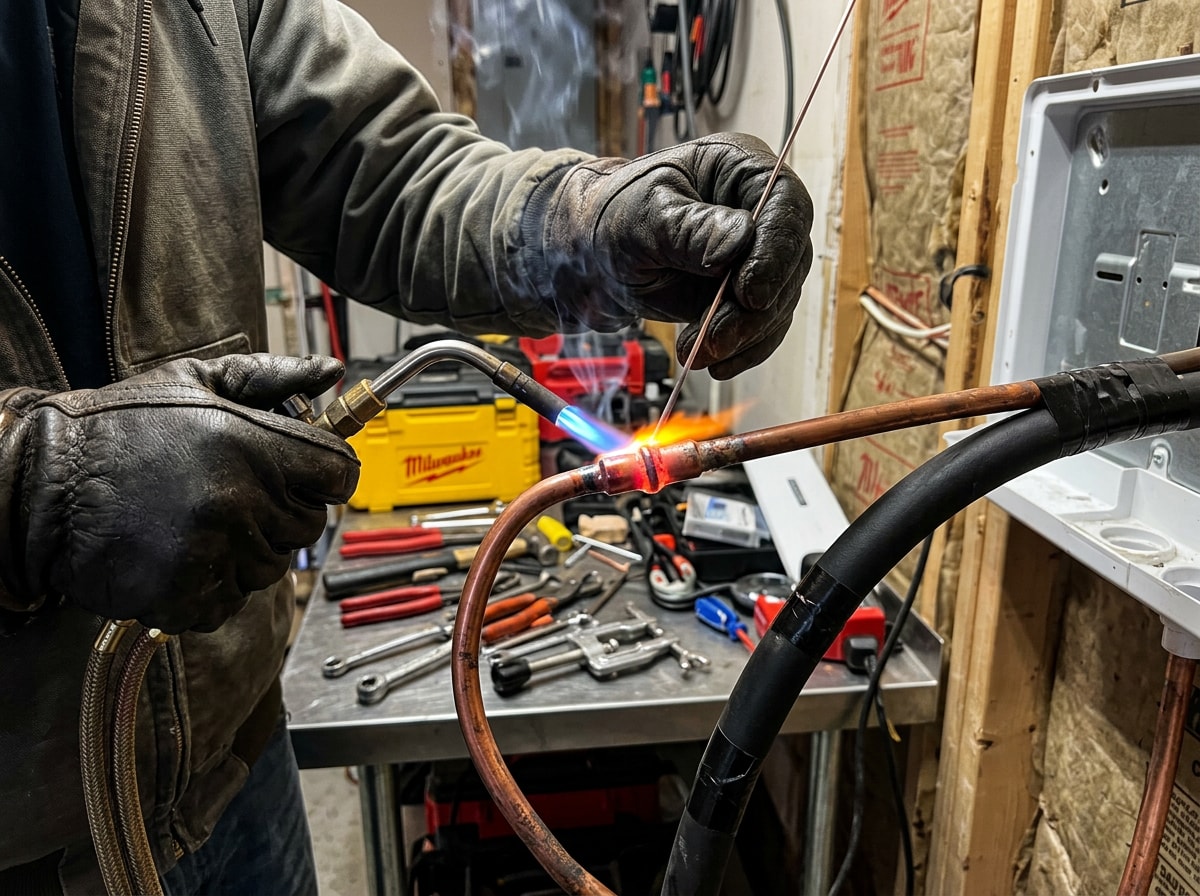
- Mounting and charging. The indoor head goes up, the line set gets brazed and pressure-tested, and the system is vacuum-charged to the manufacturer's spec, not just "topped off."
- Commissioning. We verify airflow, check refrigerant subcooling/superheat, and walk you through the remote and any app controls before we leave.
Most single-zone jobs finish in about a day. Multi-zone or ducted installs usually run two to three days depending on how many rooms are involved. See our full HVAC equipment installation page for what's included on larger projects.
Certifications Worth Asking About
Before you hire anyone, ask whether their technicians hold current EPA Section 608 certification. It's the federal credential required to legally handle refrigerant, and under the Clean Air Act, anyone servicing equipment that could release refrigerant into the atmosphere has to carry it. A licensed Maryland HVACR contractor with 608-certified techs is the baseline, not an upsell.
Our team also schedules annual HVAC maintenance visits for mini splits we install, since filter cleaning and coil checks matter more on a ductless system than people expect.
Ready to get a number for your home? Get a free estimate and we'll walk your space, check your panel, and give you a written quote before any work starts. You can also browse our full HVAC contractor services or see what we cover specifically in Dundalk.
FAQ
How much does it cost to install a mini split in Dundalk, MD?
A single-zone system typically runs $3,000 to $6,000 installed. Multi-zone systems covering three to four rooms usually land between $7,000 and $13,000, depending on BTU capacity, brand, and whether your electrical panel needs an upgrade first.
Can a ductless mini split replace central air conditioning?
Yes, in additions or homes that never had ductwork. Where central air already exists and works fine, a mini split more often supplements specific rooms rather than replacing the whole system.
How long does mini split installation take?
Most single-zone installs finish in about a day. Multi-zone or ducted systems typically take two to three days depending on zone count and line-set routing.
Do you need a license to install a mini split in Maryland?
Yes. Mini split installation is HVACR work that must be performed by a Maryland-licensed HVACR contractor, and anyone connecting or charging refrigerant lines needs EPA Section 608 certification. A homeowner can legally mount brackets, but the refrigerant and electrical connections require a licensed technician.
Are there rebates for mini splits in Maryland in 2026?
The federal 25C tax credit expired for equipment installed after December 31, 2025. Maryland's EmPOWER program, administered through the state's major utilities, still offers rebates and electrification incentives for qualifying heat pump and ductless equipment in 2026. Check EmPOWER Maryland or ask your contractor which current offers apply to your project.