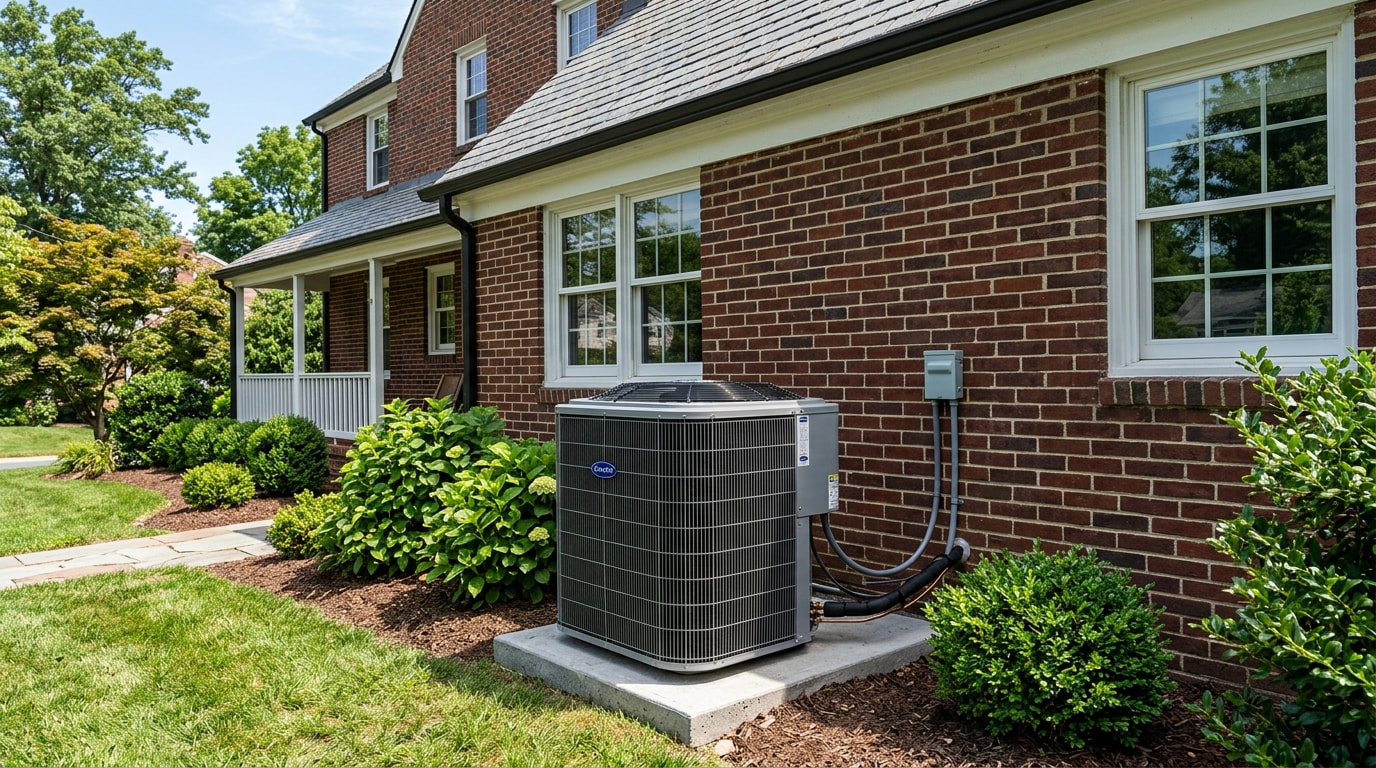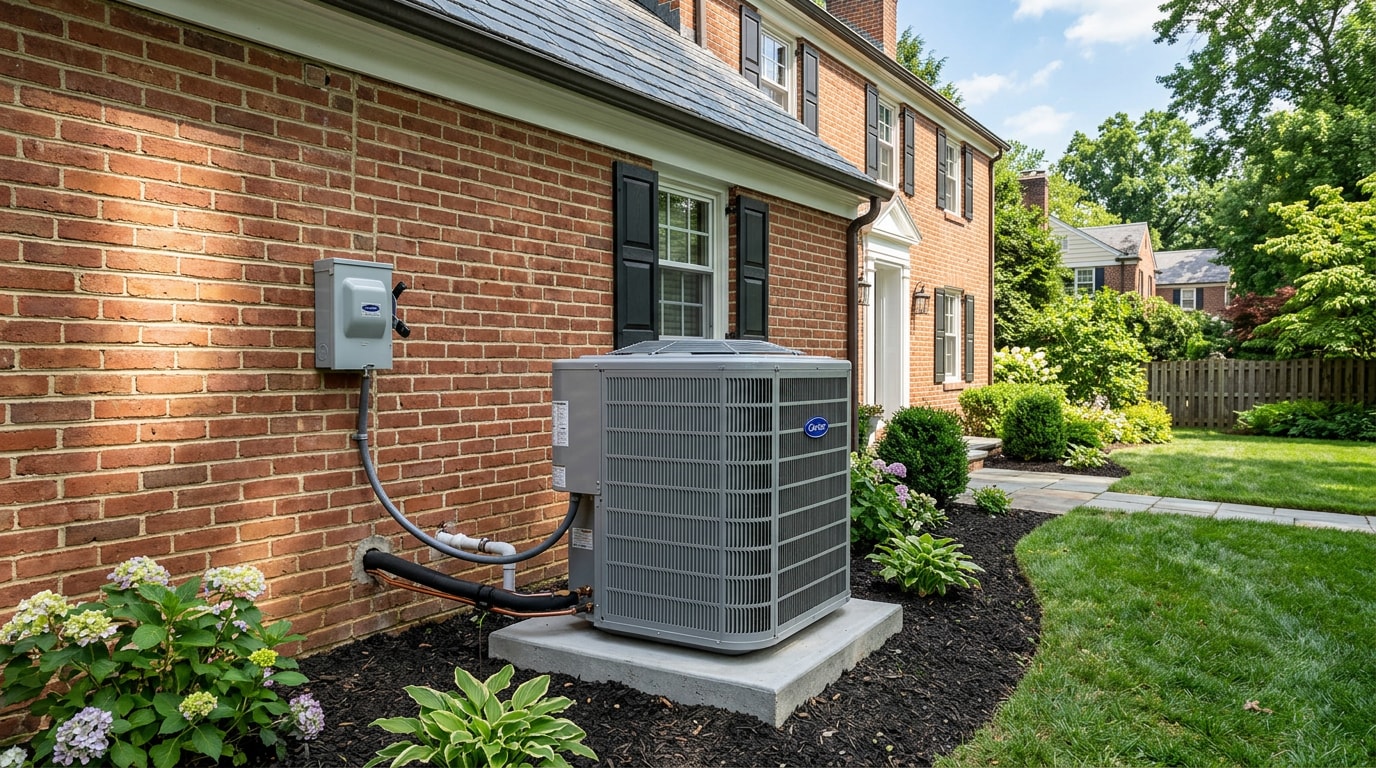
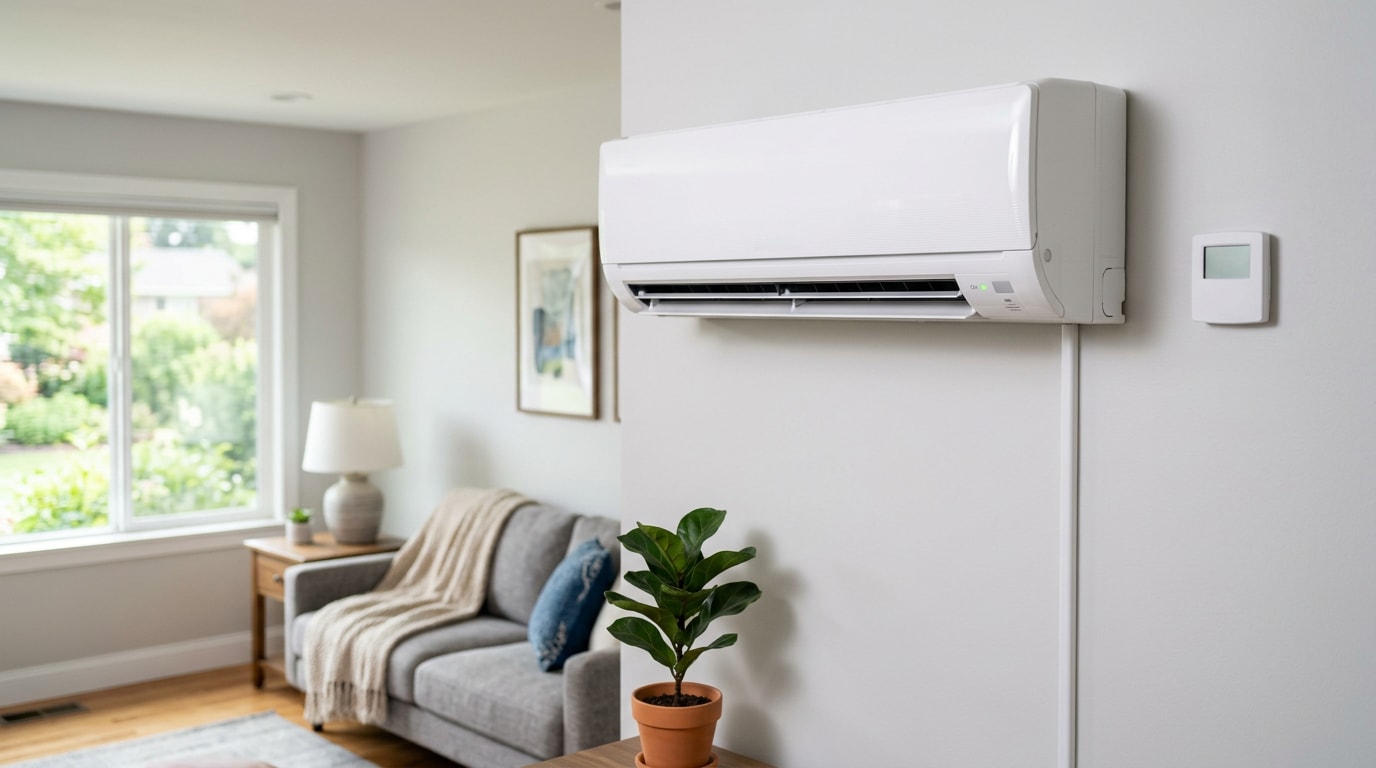
An ac mini split unit in Parkville, MD typically runs $2,000 to $5,500 installed for a single zone, or $6,500 to $15,000+ for a multi-zone system covering several rooms. Ductless technology has become one of the most-requested upgrades for Parkville's older Cape Cods, rowhomes, and finished additions that were never built with central ductwork. Here's what actually drives that price, how the equipment works, and what to check before you sign a contract.
Mini Split Installation Cost in Parkville, MD (2026)
Pricing depends mostly on zone count, equipment brand, and how far the refrigerant lines have to run between the outdoor compressor and each indoor head.
| System Type | Installed Cost Range (2026) | Best For |
|---|---|---|
| Single-zone | $2,000–$5,500 | One room, sunroom, garage, or addition |
| Two-zone | $4,000–$9,000 | Two rooms sharing one outdoor unit |
| Three-zone | $6,500–$11,000 | Living areas plus bedrooms |
| Four-zone+ (whole-home) | $10,500–$15,000+ | Full ductless replacement |
A few variables push a Parkville quote toward the higher end of these ranges:
- Line-set length – longer refrigerant runs between the compressor and indoor heads mean more copper, more labor, and more insulation.
- Wall type – older masonry and plaster walls, common in Parkville's Cape Cods and brick rowhomes, take longer to core and patch than drywall.
- Electrical capacity – homes with older 100-amp panels sometimes need an upgrade or dedicated circuit before a technician can even start.
- Permits – most mini-split jobs in Baltimore County trigger a mechanical permit and, when a new circuit is added, a separate electrical permit, which the Baltimore County Department of Permits, Approvals and Inspections requires before the equipment can be signed off.
If you'd rather skip the math and get a number for your actual home, request a free estimate and a technician will size and price the job on-site.
How a Ductless Mini Split System Works
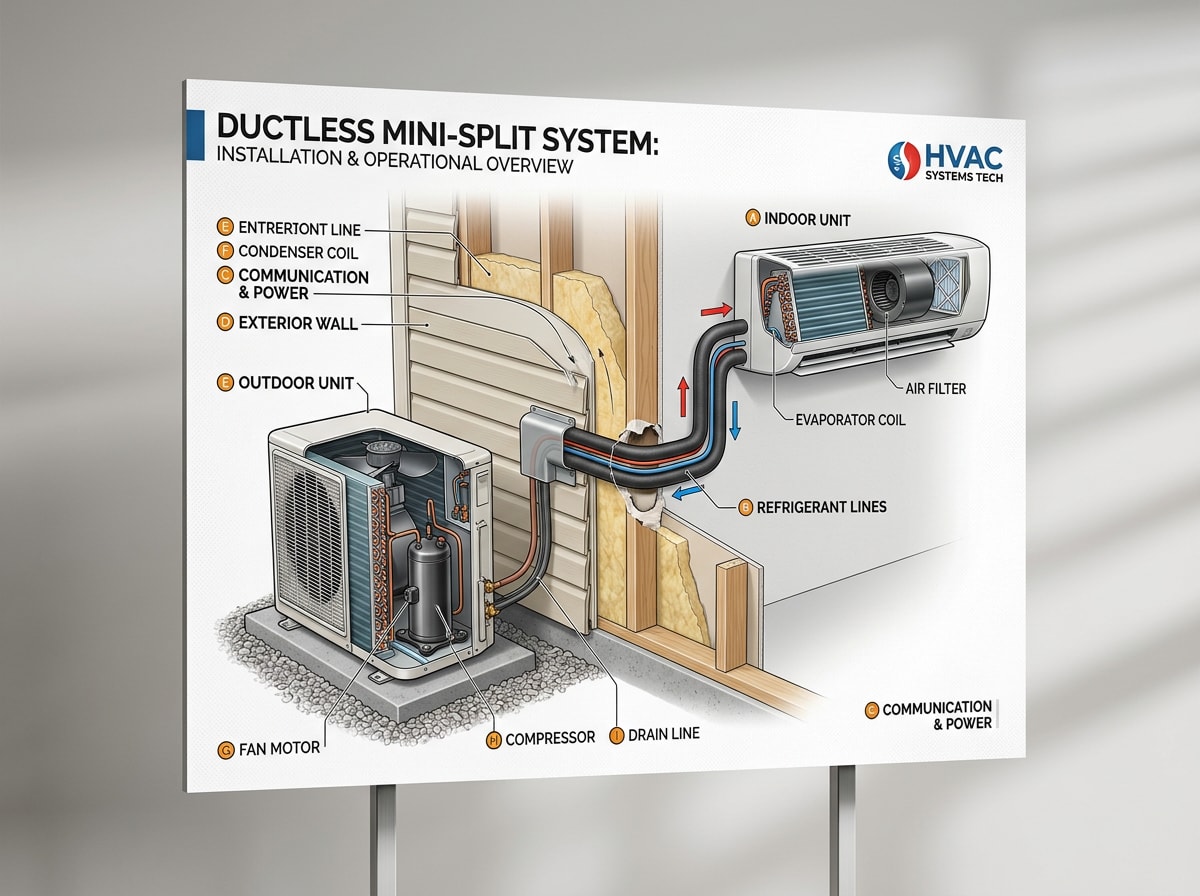
A mini-split pairs an outdoor compressor with one or more indoor air handlers connected by refrigerant lines, not ductwork. In cooling mode, refrigerant absorbs heat from inside the room and releases it outside; in heating mode (on heat pump models), the cycle reverses. Because refrigerant carries the energy instead of air moving through ducts, there's no duct leakage to worry about.
Every mini-split heat pump sold today has to meet the federal minimum efficiency standard of 14.3 SEER2, and many residential models now clear that bar by a wide margin. The Department of Energy's Building America Solution Center is a good technical reference if you want to see how sizing and cold-climate selection actually work before a contractor shows up.
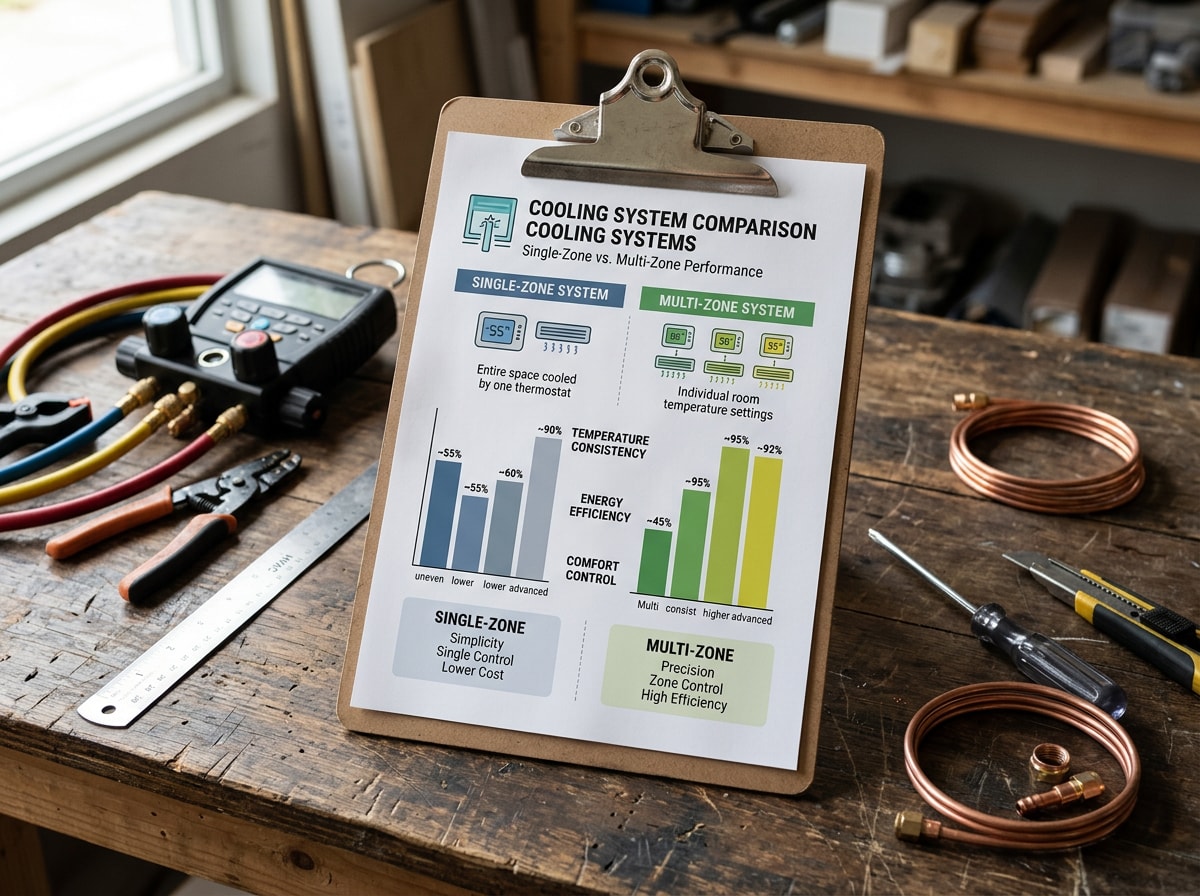
A single-zone setup pairs one outdoor unit with one indoor head, best for a single room. A multi-zone system connects two to eight indoor heads to one outdoor compressor, letting you condition several rooms independently from a single outdoor footprint.
Key Benefits of a Mini Split AC
- Zone control. Cool only the rooms in use instead of conditioning the whole house.
- Lower energy use. ENERGY STAR certified mini splits use up to 60% less energy than standard electric resistance heating and can meaningfully reduce cooling costs compared with older window units.
- Quiet operation. Indoor units commonly run under 30 decibels, quieter than a standard refrigerator hum.
- No ductwork losses. Refrigerant lines don't leak conditioned air the way old or poorly sealed ductwork does.
- Heating and cooling in one system. A heat pump mini-split handles both seasons, which matters in Maryland's mix of humid summers and freezing winters.
Single-Zone vs. Multi-Zone: Which Fits Your Parkville Home
| Factor | Single-Zone | Multi-Zone |
|---|---|---|
| Best use case | One room, office, or addition | 2–8 rooms from one outdoor unit |
| Upfront equipment cost | Lower | Higher |
| Cost vs. separate single-zone units | N/A | Often cheaper than installing multiple single-zone systems separately |
| Ideal for | Sunrooms, garages, home offices | Finished basements + bedrooms + living rooms |
Once you're conditioning three or more separate areas, a multi-zone system often costs less overall than running three standalone single-zone units, even though the multi-zone equipment price looks higher on paper. The catch: running a multi-zone system to condition rooms that sit empty most of the day erases some of that efficiency gain, so match zones to rooms you actually use daily.
Planning Your Mini Split Installation
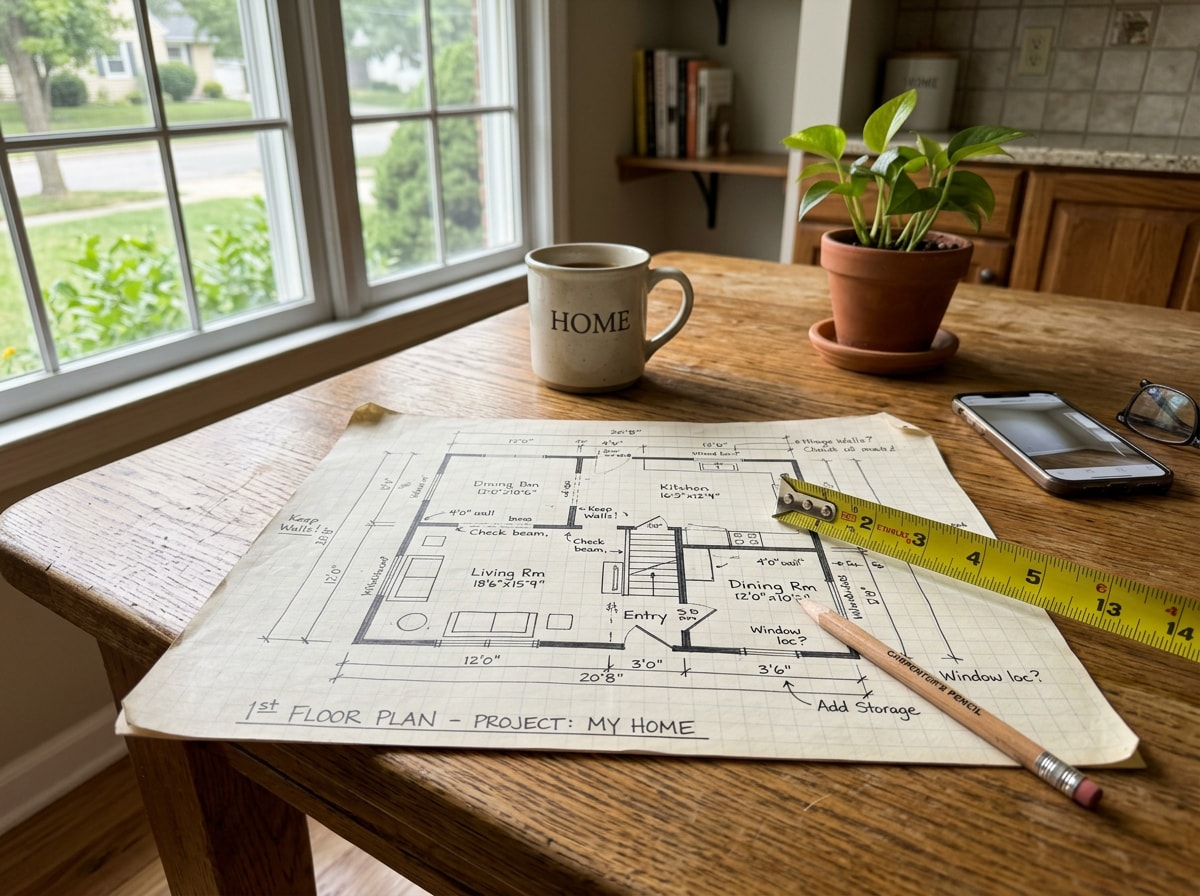
Good planning starts before you call anyone. Walk through your home first and note the following.
Gather before requesting quotes:
- Square footage of each room you want conditioned
- Number of zones you're considering
- Electrical panel capacity and age
- Current insulation condition and window exposure
- Whether you need heating as well as cooling
Verify before hiring:
- Active Maryland HVACR license (verify directly through the Maryland Board of HVACR Contractors)
- EPA Section 608 certification for refrigerant handling
- Manufacturer dealer certification, which can extend warranty coverage
- Active liability insurance and workers' compensation
Ask every contractor the same questions:
- What SEER2 rating does the proposed unit carry?
- What's the warranty on parts and labor, separately?
- Who pulls the permit, and is that fee included?
- What's the realistic install timeline?
Asking identical questions across two or three quotes makes it much easier to see why one bid is higher than another instead of just picking the lowest number.
Why Parkville Homes Are Strong Candidates for Ductless Retrofits
Much of Parkville was built mid-century, and the mix of Cape Cods, brick rowhomes, and converted additions along corridors like Harford Road and Putty Hill Avenue were never designed with central ductwork. That makes them especially good candidates for a ductless retrofit, since mini-splits avoid tearing into walls or ceilings to run new duct runs.
In the brick and plaster homes we service around Parkville, line-set routing through masonry adds a bit of labor time compared with newer drywall construction, which is one reason it's worth mentioning your home's age and wall type when requesting quotes. Finished basements and sunroom additions, common throughout the area, also tend to be strong fits since those spaces often lack ductwork entirely.
Maryland Climate, Permits & Cold-Weather Performance
Maryland summers bring both heat and heavy humidity, while winters can dip well below freezing. Undersized units struggle to pull moisture out of the air in summer, and oversized units short-cycle without properly dehumidifying, so correct BTU sizing matters more here than in milder climates.
Heat pump cold-weather performance has improved significantly in recent product generations. ENERGY STAR notes that many newer certified models excel at providing space heating even in the coldest conditions, and recommends talking with your contractor about a cold-climate-rated unit if your area regularly sees sub-freezing temperatures, which Parkville does most winters.
On the paperwork side, most mini-split installations in Baltimore County require a mechanical permit, and a separate electrical permit when new circuits or panel work are involved. Permitted, inspected work protects your home's resale value, since an unpermitted mini-split can become a negotiation point during a home inspection down the road.
Finding a Qualified Mini Split Installer Near Parkville
Look past the lowest bid and check years in business, how often the company installs ductless systems specifically, and recent local reviews. A contractor who installs mini-splits every week will size and place equipment more accurately than one who treats it as an occasional side job.
Our team handles mini-split installation and replacement throughout Parkville, along with ongoing HVAC maintenance to keep ductless systems running efficiently between tune-ups. If you're weighing options in the surrounding area, our AC Mini Split Dundalk, MD guide covers similar cost and install questions for nearby homes.
Ready to get a real number for your house instead of a national average? Get a free estimate and a licensed technician will size your system and walk through zone options on-site. You can also visit our homepage to see the full range of HVAC, plumbing, and inspection services we offer around Baltimore County.
FAQ
How much does a mini split cost to install in Parkville, MD?
A single-zone system typically runs $2,000 to $5,500 installed. Multi-zone systems covering three or four rooms often land between $6,500 and $15,000, depending on brand, line-set length, and wall type.
Do I need a permit for a mini split in Maryland?
Yes. Most mini-split installations in Baltimore County require a mechanical permit, and a separate electrical permit if a new circuit is added. Your licensed contractor should pull both as part of the job.
How many square feet will a mini split cool?
A rough rule of thumb is about 20 BTUs per square foot for standard ceiling heights and insulation. A 12,000 BTU unit typically handles around 500 to 600 square feet, though insulation quality and window exposure shift that number.
Can a mini split heat my home through a Maryland winter?
Heat pump mini-splits can handle most Maryland winters, and cold-climate-rated models maintain solid heating output even in sustained freezing temperatures. Ask your installer specifically whether the unit you're considering carries a cold-climate rating before relying on it as your only heat source.
How long do ductless mini split systems last?
With regular maintenance, most mini-split systems last 15 to 20 years, similar to a well-maintained central heat pump. Skipping filter cleaning and annual tune-ups shortens that lifespan.
Is a multi-zone system cheaper than installing several single-zone units?
Usually, yes, once you're conditioning three or more rooms. One outdoor compressor and one service call covering multiple zones generally costs less than paying full installation labor for several separate single-zone systems.
How do I choose an HVAC contractor for mini split installation?
Confirm an active Maryland HVACR license and EPA Section 608 certification, read recent local reviews, and collect at least two or three written quotes. A contractor willing to explain their sizing and zone recommendations in detail is usually the safer choice.
About the Author
This guide was prepared by the Best Mechanical HVAC team, Maryland-licensed HVACR contractors serving Parkville and the greater Baltimore County area with ductless mini-split installation, repair, and maintenance. Questions about your specific home? Contact us directly.