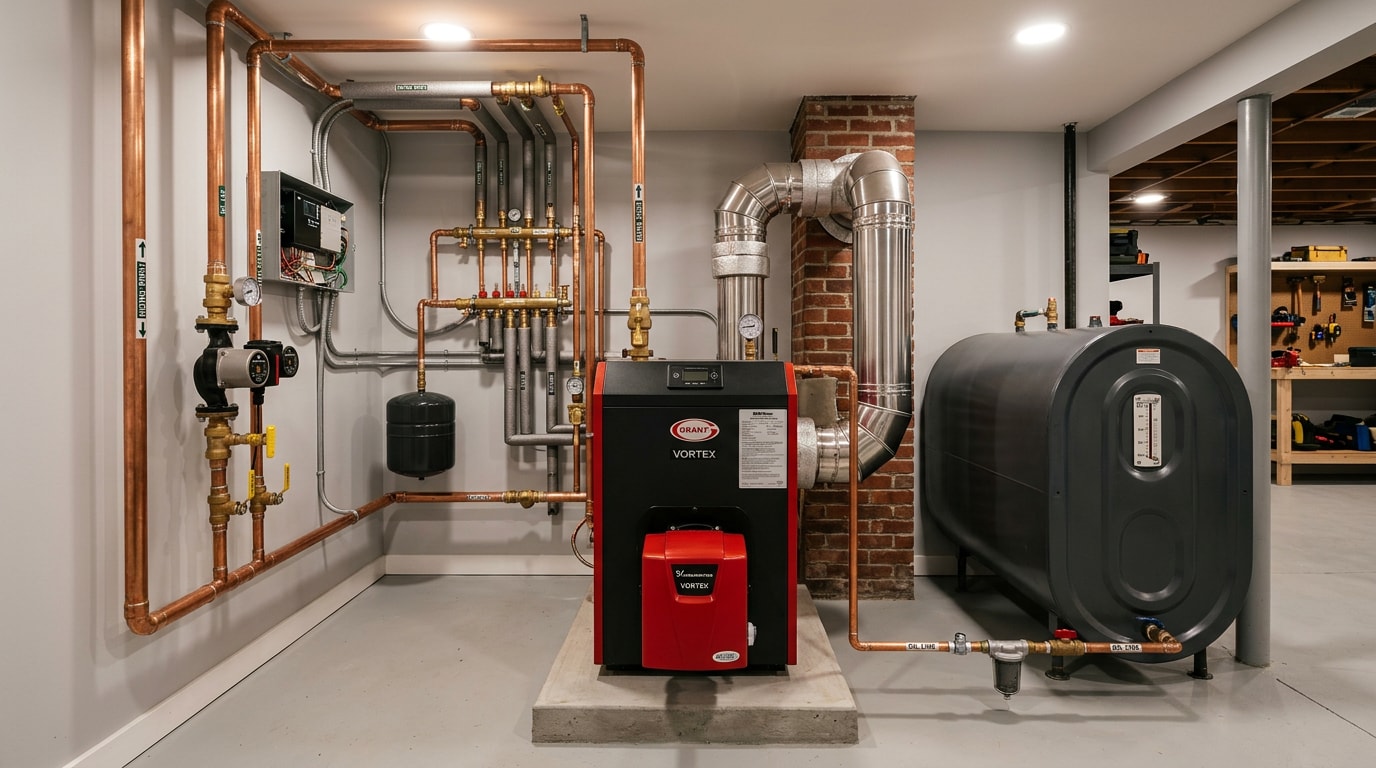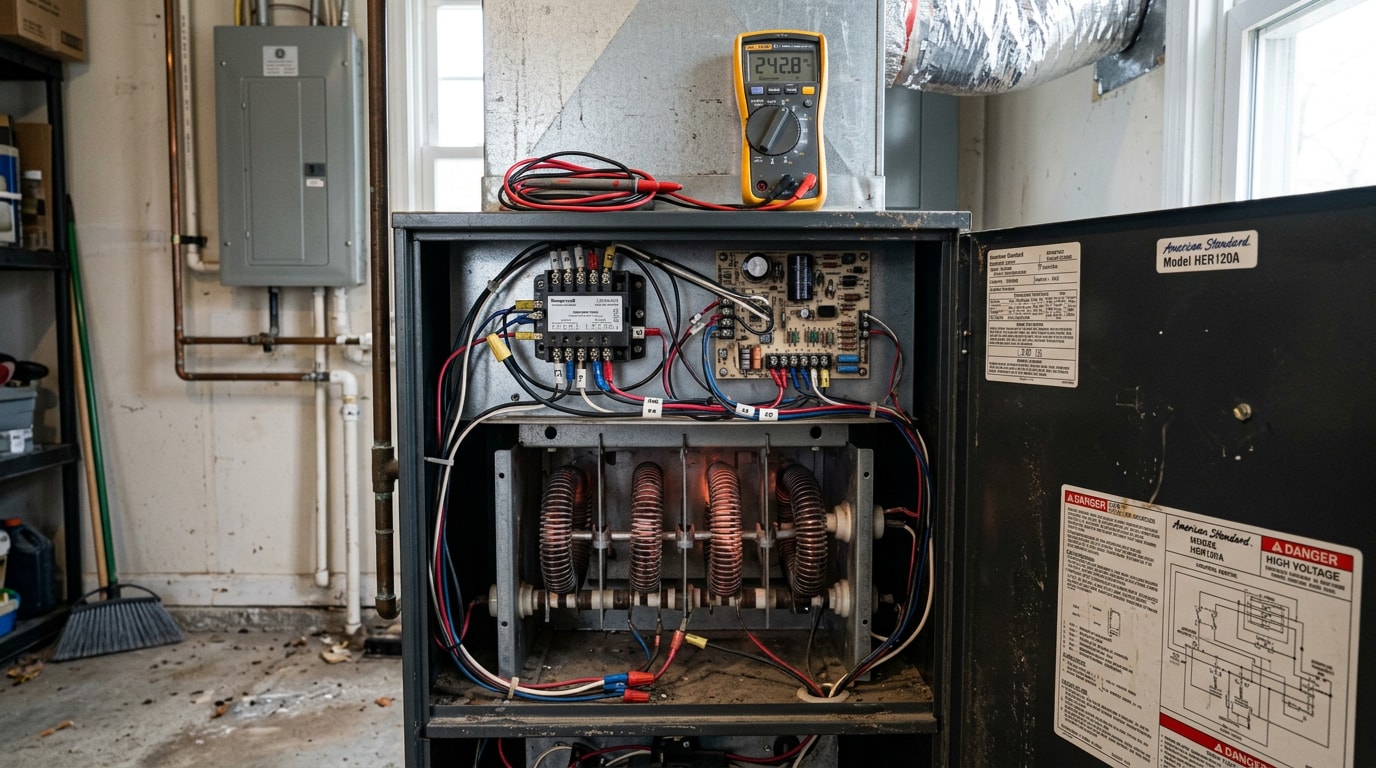

Boiler heating system maintenance in Cockeysville, MD is what keeps decades-old hydronic systems running through Baltimore County's cold, damp winters without a mid-January breakdown. Many homes here still run cast-iron radiators and boilers installed long before modern efficiency standards existed, so a skipped tune-up shows up faster than it would in newer construction. This guide covers warning signs, what a professional visit actually includes, real cost ranges, and how to know when repair stops making sense.
On recent calls across Cockeysville's older colonials and split-levels, our technicians routinely find scaled heat exchangers and sludge-clogged radiators on systems that haven't been serviced in three or more years. That pattern alone is the reason annual maintenance matters more here than the national averages suggest.
Warning Signs Your Boiler Needs Service
Skipping maintenance doesn't cause instant failure. It lets small issues build until they surface as symptoms, usually on the coldest night of the year.
The signs worth watching for:
- Pressure loss – often a small leak or a failing valve
- A pilot light that won't stay lit – can signal a dirty thermocouple or a draft problem
- Water leaking from the unit or nearby pipes – rarely stops on its own
- Uneven heating or cold radiators – frequently trapped air or a circulation issue
- Banging, gurgling, or "kettling" noises – usually sediment buildup on the heat exchanger
- Rising energy bills with no change in usage – a sign efficiency is dropping
Banging or kettling noises deserve particular attention because they mean the boiler is already working harder than it should to produce the same heat. Left unaddressed, combustion problems can also create carbon monoxide risks. More than 200 people die each year from unintentional non-fire carbon monoxide poisoning associated with consumer products, and heating equipment is among the top contributors, which is why a yearly professional inspection of fuel-burning systems matters.
What a Professional Boiler Tune-Up Includes
A real tune-up follows a sequence, not a random checklist. A technician typically works through these steps in order:
- Visual safety inspection – checking for corrosion, gas odors, or water pooling around the unit
- Heat exchanger cleaning – removing sediment, the leading cause of inefficiency and noise
- Pressure and temperature control checks – confirming the system cycles correctly without straining components
- Flue and venting inspection – making sure combustion gases exit safely
- Lubrication of moving parts – reducing wear on pumps and motors
- Efficiency testing – confirming the boiler is burning fuel the way it's supposed to
Keeping a cooling and heating system at peak performance means having a contractor do annual pre-season check-ups, ideally scheduling the heating system check in the fall before contractors get busy for winter.
Several diagnostic and maintenance procedures matter for efficient boiler operation, and these should be built into a regular maintenance plan to extend the boiler's useful life.
You can review the full scope of work on the HVAC maintenance page, or go straight to scheduling a free inspection if your system is overdue.
Boiler Maintenance Costs in Cockeysville, MD
Routine maintenance visits cost less than repair calls because they're scheduled and preventive rather than urgent. Pricing shifts based on the boiler's age, fuel type (gas versus oil), and system size — older units often need more labor time and harder-to-source parts.
| Service Type | What It Typically Covers | Cost Driver |
|---|---|---|
| Annual tune-up | Cleaning, inspection, efficiency test | Boiler age and access to the unit |
| Minor repair | Valve, thermocouple, or igniter replacement | Part availability, labor time |
| Major repair | Heat exchanger or circulator pump work | System age, oil vs. gas configuration |
| Pressure/leak diagnosis | Locating and sealing a leak source | Severity and location of the leak |
Exact pricing varies by contractor and the specific parts involved, so a technician visit is the only reliable way to get a firm number for your system. For a broader look at full-system pricing in the area, see the oil boiler replacement cost guide for Rosedale, MD.
Homeowner Tasks Between Professional Visits
A few simple habits support boiler upkeep between scheduled visits:
- Keep vents and airways clear of dust, furniture, and stored items
- Wipe down exterior components to keep dust away from controls
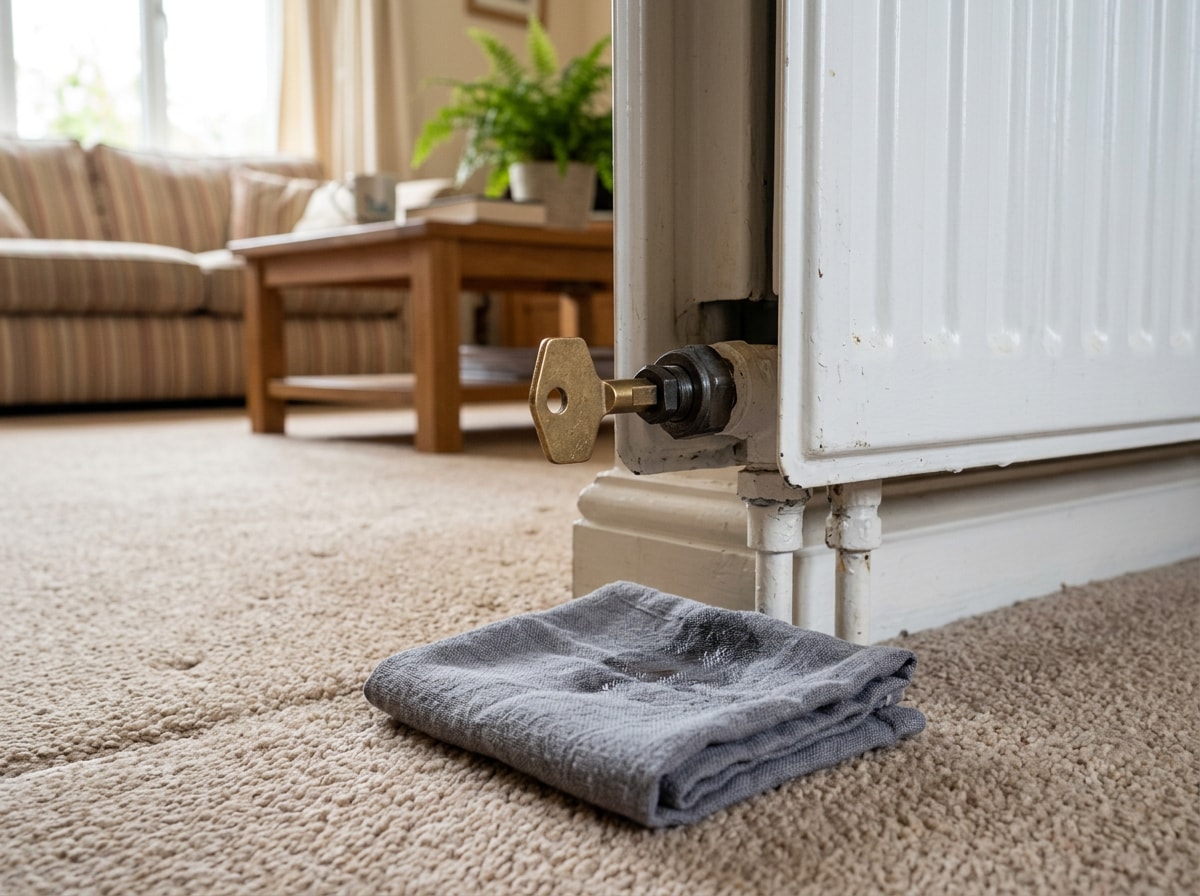
- Bleed radiators when you notice cold spots — trapped air is a common, easy-to-fix cause
- Watch the pressure gauge and note any sudden drops
Repair or Replace? How to Decide
Eventually every boiler reaches a point where repeated repairs cost more than they're worth. Here's how to tell which side of that line your system is on.
Repair usually makes sense when:
- The boiler is under 10 years old
- Only one component has failed
- There's a minor fitting leak, not a body leak
- The unit still heats efficiently without rust or heavy sediment
Replacement becomes the better call when:
- The boiler is over 15 years old
- It has broken down multiple times this season
- It leaks from the body itself, not just a fitting
- It makes loud banging ("kettling") noises alongside rising bills
A furnace or boiler more than 15 years old is worth reconsidering, since an ENERGY STAR qualified boiler can offer roughly 10 percent more efficiency than a new standard model. For homes weighing a full replacement, the central boiler prices guide for Owings Mills, MD breaks down current pricing by boiler type.
If you're not sure which side of the line your system is on, the boiler repair page or a direct call through {{SITE_URL}}/contact gets a technician out to diagnose it in person rather than guess from symptoms alone.
FAQ
How often should I schedule maintenance for my boiler?
Once a year, ideally in the fall before the heating season starts. Annual pre-season check-ups keep a heating system at peak performance, and it's best to schedule the heating system check in the fall before contractors get busy.
What are the signs my boiler needs maintenance?
Pressure loss, a pilot light that won't stay lit, uneven heating, banging or gurgling noises, water around the unit, and energy bills that climb without a change in usage.
Can I perform boiler maintenance myself?
Homeowners can handle light tasks like bleeding radiators and keeping the area around the unit clear. Heat exchanger cleaning, combustion testing, and flue inspection require tools and training a licensed technician carries, since mistakes there carry carbon monoxide and gas safety risks.
Is it a plumber or an HVAC technician who services boilers?
Both. Licensed plumbers and HVAC heating technicians service boilers, depending on whether the issue involves hydronic piping or gas combustion components. Many service companies, including ours, carry licensing for both.
Why does my boiler keep losing pressure?
Usually a small leak, a failing expansion tank, or a faulty pressure-reducing valve. A technician can pressure-test the system to isolate which one it is.
Why is my boiler making strange noises?
Banging or kettling noises typically mean sediment has built up on the heat exchanger. Gurgling can point to trapped air or low pressure. Either can eventually cause the boiler to shut off unexpectedly if it's not addressed.
If your boiler is showing any of these signs, reach out through {{SITE_URL}} or go directly to the contact page to get a technician out before the next cold snap. For whole-home heating questions beyond boilers, the heating & air conditioning services page covers the rest of what we handle in Cockeysville and the surrounding Cockeysville, MD service area.